Get Instant Quote
Leave Your Message
0%

Lately, more and more pet owners around the world are really paying attention to how they handle their cats’ mobility stuff. The classic Cat Leash? It’s no longer just a simple strap. Now, it’s all about a product that combines restraint, comfort, visibility, and safety for everyday use. According to the American Pet Products Association’s 2024 industry report, pet spending in the U.S. hit around $150.6 billion in 2023. That’s a huge number, really showing that people are looking for more practical, well-designed accessories for their pets.

China has become a major hub for sourcing these kinds of products, and the options are pretty impressive. Manufacturers there offer a ton of material choices—think nylon webbing, polyester mesh, reflective stitching, zinc alloy clips, and comfy padded harnesses. Plus, according to Euromonitor’s 2024 pet care research, there’s a noticeable trend toward premium pet products. Buyers are now expecting not just reliable build quality but also eye-catching packaging and flexible private-label options.

Details really do matter here. A trustworthy supplier should be upfront about things like leash length, breaking strength, buckle performance, size options, and how they do their testing. Experience across exports is a big plus, too. Names like Ningbo Beilun Daqi Pet Products, Hangzhou Tianyuan Pet Products, and Dongguan E-Source Pet Products come to mind—they’re the kind of companies that global buyers tend to consider. But hey, having a shiny catalog doesn’t automatically guarantee consistent quality—that’s something to keep in mind.

It’s smart to dig a little deeper—factory audits, testing samples, looking at production photos, and third-party inspection reports can tell you a lot more. Buyers should check if the stitching stays secure after multiple pulls or if metal parts rust after getting wet. These practical checks really help in making a trustworthy purchase. The best cat leash manufacturers in China aren’t just the ones offering the lowest prices—they’re the ones with stable production, transparent communication, customization options, and solid quality control documents. Of course, mistakes happen—but a careful sourcing process can save you some headaches and extra costs down the line.
China Top Cat Leash Manufacturers for Global Buyers

Understanding China’s Cat Leash Manufacturing Industry

China’s cat-leash manufacturing base sits within a much larger pet-care economy. The 2024 China Pet Industry White Paper (Consumption Report) estimates urban spending on dogs and cats at RMB 300.2 billion. It reports 7.5% year-on-year growth. This figure covers multiple pet-related categories, not leashes alone. It offers market context, rather than a measure of leash demand. For global buyers, factory selection still requires product-level evidence.

A capable supplier should explain webbing width, buckle material, swivel movement, stitch patterns, and inspection criteria. Ask how finished leashes are tested for strength. A thin strap may look tidy on a sample table, yet fray after repeated wet walks. Small details matter. Batch records, pre-shipment sampling, and written tolerances help show whether quality is consistent. Not always. Some factories outsource hardware or printing, so buyers should map each production step and clarify who handles defects. Request sewing-floor photos or video, test records, and specifications matched to the approved sample. Catalog images alone reveal little about repeatability.

Common Cat Leash Types, Materials, and Features

Cat Leashes generally fall intothree types: fixed-length leads, retractable leads, and leash-and-harness sets. Fixed leads offer steadier handling in tight spaces. Retractable designs allow more range, but a thin cord can be harder to manage when a cat changes direction suddenly. A vest-style harness spreads pressure across the chest and shoulders; fit matters more than appearance. The American Pet Products Association’s 2025 State of the Industry Report puts U.S. pet-industry spending at $152 billion for 2024. That broad figure is not specific to leashes, but it reflects a large market where practical product details matter.

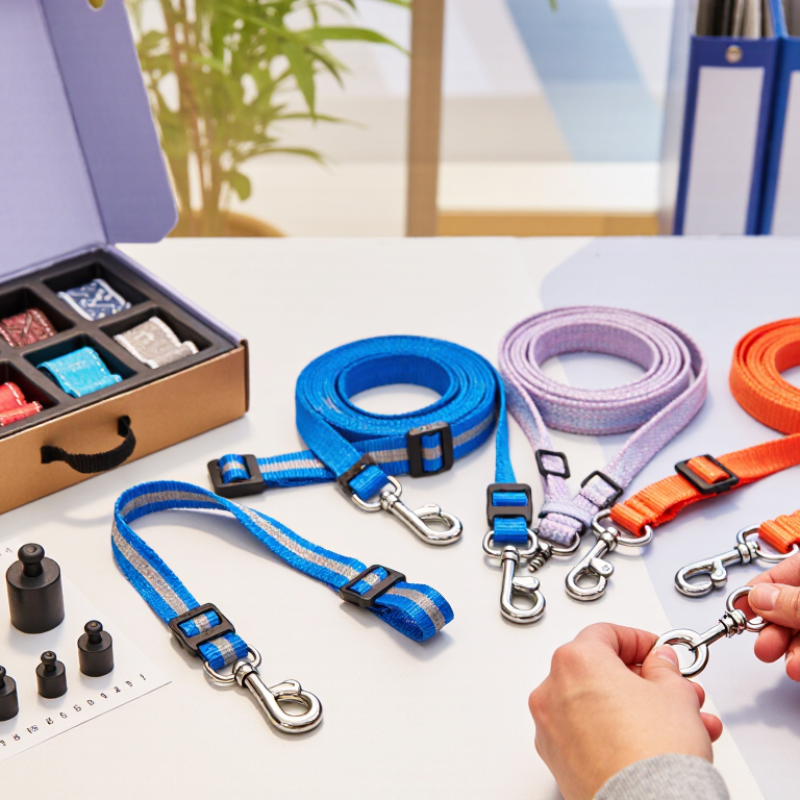
Nylon and polyester webbing are common because they are light, quick-drying, and easy to sew. Cotton feels softer in the hand, though it may hold moisture. Leather can be durable, but needs care and may feel heavy for smaller cats. Look for neat stitching, a smooth swivel clasp, and a handle that does not bite into the palm. Reflective threads help make a leash easier to spot in low light; they do not replace supervision. No material is perfect. Even a strong leash can be uncomfortable if its width, weight, or clip is poorly matched to the cat. Buyers comparing manufacturers should request sample testing and check seams, hardware movement, and harness fit before placing large orders.

Manufacturing Capabilities and Customization Options

China-based cat leash manufacturers may offer webbing, rope, or soft fabric constructions, with hardware selected for different leash styles. Typical options include adjustable lengths, padded handles, reflective stitching, and printed patterns. Factories may cut and sew materials in-house or rely on specialist suppliers for clips and rings. Small details matter. Ask how stitching is checked, whether metal parts are inspected for sharp edges, and how finished products are tested under repeated pulling. A tidy sample is useful, but it does not prove every production batch will match it.

Customization can cover leash width, handle shape, color matching, packaging, and attachment types. Share clear drawings, dimensions, and intended use before requesting a sample. Buyers should also confirm material specifications and agree on acceptable color variation. Samples reveal practical issues: a handle may feel stiff, or a clasp may be awkward to operate with one hand. Not every requested feature works well together. Before production, ask for written approval of the final sample and any inspection criteria. Keep communication records, especially when details change. It takes patience. Small oversights can still happen, so allow time for revisions rather than treating the first sample as final.

Quality Control, Product Safety, and Compliance

For global buyers, a cat leash is a small product with several failure points. Stitching can loosen, clips can jam, and rough edges may rub a cat’s neck. Test the weakest link. Ask Chinese manufacturers for documented checks on webbing strength, seam integrity, clip operation, and coating durability. Results should identify the test method, sample size, and production lot. A polished sample alone proves little.

Market growth raises the cost of weak quality control. The American Pet Products Association’s 2025 State of the Industry report recorded US pet-industry spending of $152 billion in 2024, with $157 billion forecast for 2025. That figure does not measure leash defects, but it signals a large and competitive market. Request current material declarations and safety records, then confirm that labels and warnings match the destination market. An ISO 9001 certificate can indicate a quality-management system; it does not certify every leash as safe. No test catches everything. I would still inspect production samples, especially buckle edges and stitching near stress points. Perfect paperwork can miss a rough seam.

China Top Cat Leash Manufacturers for Global Buyers - Quality Control, Product Safety, and Compliance

Supplier assessment framework for cat leash sourcing. The inspection checks below are practical buyer controls; unless stated otherwise, acceptance limits should be agreed between buyer and supplier rather than treated as universal legal requirements.

Assessment Area What to Verify Suggested Quality-Control Method Records to Request Safety or Compliance Context
Webbing and material identity Confirm the specified fiber, width, thickness, color, and construction match the approved sample and purchase specification. Check incoming materials against the specification; inspect for fraying, holes, uneven weaving, stains, and color variation. Material specification, incoming inspection record, approved sample, and supplier traceability details. Material composition and chemical restrictions depend on the destination market and the exact materials used.
Stitching and reinforcement Inspect stitching at the handle, leash-end loop, and hardware attachment points. Use visual inspection and agreed sample checks for skipped stitches, loose threads, uneven seams, and attachment security. Approved construction details, in-process inspection records, and corrective-action records for defects. There is no single universal statutory stitch pattern for cat leashes; buyers should define construction and acceptance criteria.
Clip and metal hardware Check that the clip opens and closes smoothly, stays closed during use, and is free of sharp edges, cracks, and visible corrosion. Conduct repeated operation checks and inspect the connection between the clip, swivel, and leash material. Hardware specification, inspection results, and material or coating information where relevant. Any restricted-substance assessment should reflect the hardware material, coatings, and applicable destination-market rules.
Strength and attachment security Verify that the assembled leash and its connection points meet the buyer’s intended-use requirements. Agree a tensile or pull-test method, sample quantity, load, and pass/fail criteria before production; test representative finished products. Test method, equipment calibration records, test results, and details identifying the tested production lot. A universal legal load rating for cat leashes should not be assumed. Set performance limits based on design and intended use.
Length and dimensional consistency Check finished length, webbing width, handle dimensions, and other buyer-specified measurements. Measure samples using suitable calibrated measuring tools and compare results with the approved specification. Product drawings or specification sheet, measurement records, and approved tolerance limits. Dimensional tolerances are generally a product specification agreed by the buyer and supplier.
Small parts and finish Look for loose decorative pieces, sharp edges, burrs, exposed wire ends, or components that could detach during normal handling. Inspect finished goods and packaging; perform any agreed attachment checks on components that could become loose. Final inspection checklist, defect photographs where applicable, and rework or corrective-action records. Assess foreseeable risks for the product’s intended use. Do not market a Pet Leash as a children’s toy unless applicable toy requirements have been assessed.
Chemical and restricted-substance controls Identify relevant materials, dyes, coatings, and metal components, then determine whether testing is appropriate for the destination market. Use a risk-based testing plan and qualified laboratory where needed; ensure test samples represent the production materials. Current test reports, sample identification, laboratory details, and a restricted-substance declaration where applicable. EU REACH restrictions can apply to substances in articles. Requirements vary by substance, material, market, and product configuration.
European Union product-safety obligations For consumer products placed on the EU market, assess applicable general product-safety duties, product risks, traceability, and required consumer information. Maintain a documented risk assessment and verify that product and packaging information match the intended sales market. Risk assessment, product identification and traceability details, supplier information, and relevant safety documentation. The EU General Product Safety Regulation (EU) 2023/988 has applied since 13 December 2024. Applicability and duties depend on the product and supply-chain role.
Production consistency and lot control Confirm that mass production follows the approved sample, specification, materials, and workmanship requirements. Use documented incoming, in-process, and final inspections; identify products by production lot or batch. Inspection plan, lot records, nonconformance reports, corrective actions, and shipment inspection results. A quality-management certificate, if held, does not by itself prove that a specific leash meets product-safety or legal requirements.
Packaging and user information Check that packaging protects the leash and that product identity, use instructions, and warnings are clear where needed. Review a production packaging sample and confirm artwork, language, and product details before shipment. Approved artwork, packaging specification, and destination-market review record. Information and traceability rules differ by market. Confirm applicable requirements for each sales destination before shipment.

How Global Buyers Evaluate and Verify Suppliers

Global buyers should verify cat leash suppliers through evidence, not polished catalog images. Request a current factory profile, production-flow photos, and records linking material batches to finished goods. Ask how workers check webbing width, seam strength, swivel movement, and clip closure. Small details matter. A sample should match the quoted material, stitching pattern, hardware finish, and packaging. Keep a dated reference sample before approving a larger order.

Check product claims with practical tests. Ask for samples to be pulled repeatedly using a documented force and method, then inspect seams, clip movement, and strap wear. Test numbers mean little without clear conditions. Review inspection reports, defect records, and corrective actions from recent orders; confirm dates and product codes. If possible, arrange an independent inspection before shipment. Compare stated capacity with machinery, staffing, and previous output, not promises alone. A neat sample can still hide inconsistent bulk stitching. One sample is not proof. Even careful checks can miss problems, so use written acceptance criteria and staged inspections to reduce surprises.

China Top Cat Leash Manufacturers for Global Buyers

How Global Buyers Evaluate and Verify Suppliers

This illustrative 100-point assessment framework prioritizes product quality and safety, followed by compliance documentation, production capability, traceability, and export readiness. Adjust the weights to match your product requirements and destination-market rules; the chart is not a market survey or certification.

Pricing, Minimum Orders, and Production Lead Times

For global buyers comparing cat leash manufacturers in China, the quoted price depends on more than leash length. Webbing width, fabric type, stitching, clip material, packaging, and order quantity all affect unit cost. Request a written quote that separates product, packaging, sampling, and shipping charges. A low unit price can hide costly changes later.

Minimum order quantities vary by factory and design. Stock materials may allow smaller runs, while custom colors or printed patterns often require larger commitments. Ask whether the MOQ applies per color or across the full order. Production lead times also depend on sample approval and material availability. As a planning estimate, samples may take one to three weeks, with bulk production often taking several more weeks. Confirm dates in writing, and allow extra time for revisions. Delays happen; even a clear schedule can shift.

Tips: Send a simple specification sheet with leash length, webbing width, clip finish, and packaging details. Approve a physical sample before mass production, and ask for photos of stitching and hardware checks. Keep one detail in mind: sample quality does not always predict every bulk unit, so agree on inspection criteria before production begins.

Export Packaging, Shipping, and After-Sales Support

For global buyers, a cat leash order is only as dependable as its journey from factory to warehouse. Export packaging should protect stitched webbing, metal clips, and adjustment sliders from rubbing against one another. Suppliers may use inner bags or paper sleeves, followed by sturdy corrugated cartons that limit movement. Dry packing areas and a basic moisture check can help reduce problems during long transit. Small details matter.

Before dispatch, confirm carton dimensions, gross weight, carton counts, and shipping marks against the packing list. Pre-shipment photos can reveal mismatched colors or weak carton seals before goods leave. Shipping schedules may shift when ports are busy, so a realistic buffer is better than a perfect-looking promise. Ask for tracking updates and clear notice if collection dates change. It sounds basic. It often isn’t.

After-sales support works best when both sides keep batch numbers, approved samples, and inspection records. If a clip arrives scratched or stitching varies, photos and quantities help the factory investigate rather than guess. Agree in advance how claims are reviewed and what evidence is needed. Replacement parts or a credit may suit some cases. Not every issue has a neat fix. A reliable supplier should explain findings plainly and use recurring feedback to improve packaging or production checks.

Grand View Research’s Pet Accessories Market Outlook: Choosing Swivel Dog Clip Clasp Snap Hooks for Leashes

As pet owners seek reliable accessories for daily walks and outdoor activities, leash hardware deserves careful attention. A swivel dog clip clasp snap hook can make attaching a leash quick and convenient while helping reduce twists and tangles. When choosing one, consider the metal’s strength, the smoothness of the spring mechanism, and whether the hook’s size suits the leash and the dog.

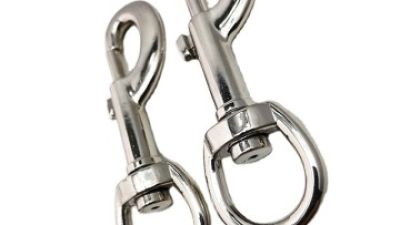
This dog leash clip is made from high-strength silver zinc alloy and features a spring-loaded opening that is designed for easy fastening and release. Its 360-degree swivel lets the leash turn more freely as a dog moves, helping limit tangling during walks. Size and weight can be customized to fit different leash designs and practical requirements. Beyond pet leashes, the hook can also be used with outdoor sports equipment, luggage accessories, and fashion items, making it a versatile choice for a range of applications.

FAQS

What are the main types of cat leashes?

Fixed-length leads offer steadier handling in tight spaces. Retractable leads provide more range, but their thin cords can be harder to manage. Leash-and-harness sets combine both pieces.

Which leash material is easiest to care for?

Nylon and polyester webbing are lightweight, quick-drying, and easy to sew. Cotton feels softer but may hold moisture. Leather can last, though it needs care and may feel heavy.

What should I check on a leash before buying?

Check the stitching, swivel clasp, and handle. The handle should not dig into your palm. Small details matter.

How should a harness fit a cat?

A vest-style harness spreads pressure across the chest and shoulders. Fit matters more than appearance. A sample fitting can reveal issues that photos may miss.

Do reflective threads make a leash safe at night?

Reflective threads can make a leash easier to spot in low light. They do not replace supervision. That distinction is easy to overlook.

How can export packaging protect cat leashes?

Inner bags or paper sleeves can separate webbing and metal clips. Sturdy corrugated cartons help limit movement. Dry packing areas and moisture checks may reduce transit problems.

What shipping details should buyers confirm before dispatch?

Check carton dimensions, gross weight, carton counts, and shipping marks against the packing list. Pre-shipment photos may reveal color mismatches or weak carton seals. Shipping dates can still shift.

What records help resolve quality issues after delivery?

Keep batch numbers, approved samples, and inspection records. Photos and affected quantities help explain scratched clips or uneven stitching. Not every issue has a neat fix.

Conclusion

China’s cat leash manufacturing industry serves global buyers with a wide range of products, from lightweight everyday leads to adjustable harness-and-leash sets. Common materials include nylon, polyester, and soft padded fabrics, with features such as secure fasteners, reflective details, and comfortable fittings. Manufacturers may offer customization in colors, sizes, materials, packaging, and product specifications, helping buyers develop items suited to different markets and customer needs.

When evaluating suppliers, buyers can review manufacturing capabilities, request samples, and verify quality-control procedures, product safety information, and relevant compliance documentation. Clear communication about pricing, minimum order quantities, and production lead times helps prevent surprises during procurement. Export packaging, shipping arrangements, and responsive after-sales support also contribute to a reliable purchasing experience. By assessing these factors together, global buyers can make informed decisions and build practical, long-term sourcing relationships for Cat Leash products.

Oliver

Oliver

Oliver is a dedicated marketing professional at Shenzhen Yiyixing Zipper Manufacturing Co., Ltd., where he brings a wealth of expertise in the zipper industry. With a strong commitment to staying ahead of market trends, Oliver is deeply knowledgeable about the company's products, ensuring that both......
Previous China Best Metal Logo Plate Manufacturer Supplier?