- Home
- Products
- About Us
- News
- Video
- Contact Us
Get Instant Quote
Leave Your Message
- Phone
- E-mail
- Whatsapp
- Wechat+8617875041119

When you're picking a reliable manufacturer for Cat Leashes, it’s about more than just comparing prices. Sure, price is a factor, but you really want to dig into the details—like clear product specs, consistent quality checks, and good communication that holds up from sampling all the way through to production. A leash might look simple on a website, but in real life, things like webbing strength, stitching quality, how smoothly the clip moves, and how comfortable the handle is all actually matter quite a bit.
A good way to evaluate a supplier is to look into how they handle materials and construction. Don’t hesitate to ask if they can describe their webbing type, how they reinforce the seams, what kind of finish their hardware has, and what lengths of leash they offer. It’s also a smart move to request samples—then take a close look at the stitching and actually test the clip by hand. Little things, like a stiff handle or a rough edge, can make a big difference in daily use.
It’s also important to understand how they check their finished products and deal with any defects. Written procedures are a lot more reassuring than just vague promises. Pay attention to their production capacity and lead times, especially if you’re planning for repeat orders or need special packaging. All these details should be checked out—never just assumed.
This guide gives you a rundown of manufacturers who work with international buyers and highlights practical tips for really comparing what they can do. Some suppliers focus mainly on private-label stuff, while others have ready-made designs or are pretty flexible with options. Their strengths can vary depending on order size, customization needs, materials, and level of support. There’s no one-size-fits-all answer here. A low price might be hiding some compromises, and just looking at a shiny catalog doesn’t guarantee they’ll deliver consistent quality.
Bottom line? Take the time to compare samples, review their documentation, see how responsive they are, and check their terms. Doing your homework now can save you from surprises down the road. It might take a bit more effort, but in the long run, it’s totally worth it to pick the right partner.
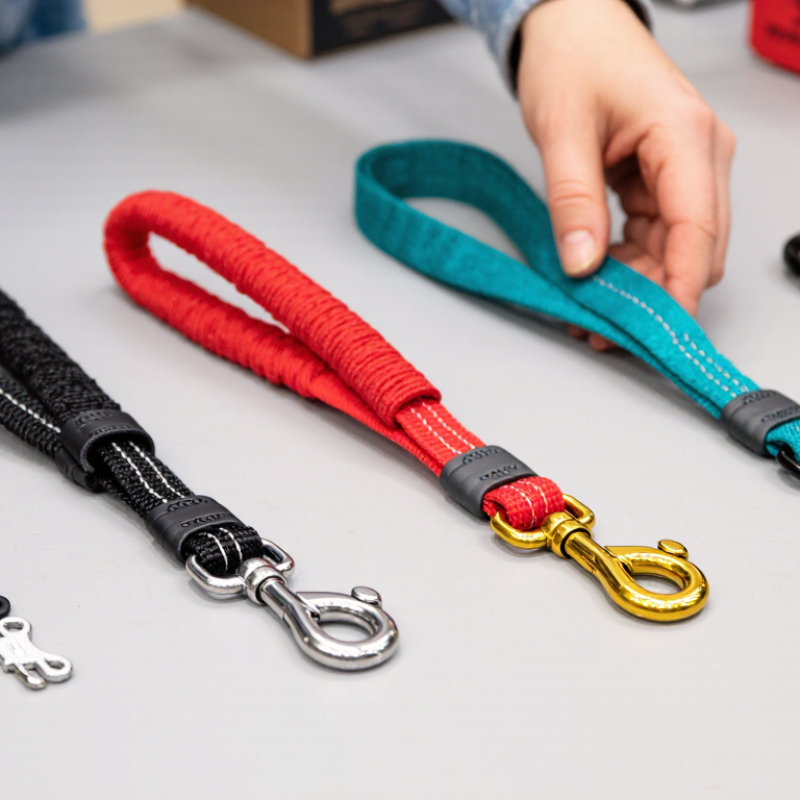
Top Cat Leash Manufacturers for Global Buyers
Cat Leash Manufacturing: Industry Scope and Product Categories
Cat leash manufacturing serves a growing companion-animal accessories market. Grand View Research valued the global pet accessories market at about USD 6.98 billion in 2022. It also projected a 6.5% compound annual growth rate from 2023 to 2030. However, many reports combine leashes, collars, toys, and feeding products. The category remains difficult to measure precisely.
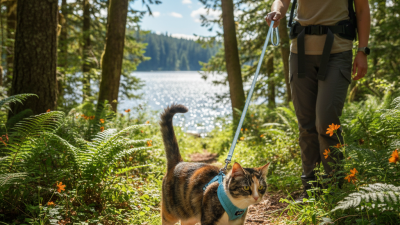
The customer base is substantial. FEDIAF’s European Pet Food Industry report recorded approximately 108 million cats in Europe in 2023. This supports demand for indoor training sets, travel harnesses, reflective walking leashes, and lightweight everyday designs. Product categories usually include adjustable harness-leash sets, flat nylon leashes, elastic leads, retractable models, and escape-resistant configurations. Small details matter. A 12-millimeter strap can feel bulky on a young cat. A rough seam may cause irritation after ten minutes.
Manufacturers must control material strength, buckle performance, stitching quality, and attachment security. Common materials include nylon webbing, polyester, soft mesh, silicone labels, and corrosion-resistant metal clips. Experienced factories test pull resistance, repeated bending, colorfastness, and abrasion around the neck or chest. Packaging also affects export readiness, especially for private-label buyers. One weakness remains. Many product tests use static loads, while real cats twist, freeze, and suddenly sprint. Better manufacturers should combine laboratory checks with supervised field trials and documented inspection records.
| Product Category | Typical Construction | Common Materials | Typical Dimensions | Primary Use | Important Buyer Requirements |
|---|---|---|---|---|---|
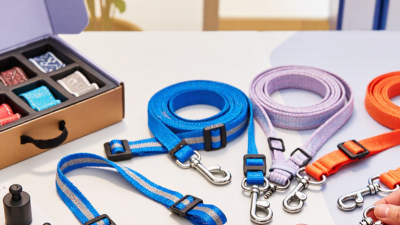
| Standard Flat Cat Leash | Fixed-length strap with a swivel clip and hand loop | Nylon webbing, polyester webbing, zinc-alloy or steel hardware | Usually 1.2–2.0 m long; approximately 10–20 mm wide | Supervised outdoor walking and travel | Secure stitching, smooth-edged hardware, corrosion resistance, consistent webbing width |
| Retractable Cat Leash | Spring-loaded reel with a locking brake and flexible line | ABS or polycarbonate housing, nylon tape or cord, stainless-steel spring components | Common working length: 3–5 m; compact handheld housing | Controlled exploration in open areas | Reliable brake mechanism, smooth retraction, bite-resistant line, clearly stated weight limit |
| Elastic or Shock-Absorbing Leash | Stretch section integrated into a fixed-length leash | Woven polyester, rubber or elastomer core, metal swivel clips | Usually 1.0–1.8 m relaxed length; extension varies by design | Reducing sudden pulling during supervised walks | Controlled stretch, strong end connections, recovery after repeated cycles, clear use instructions |
| Hands-Free or Waist-Worn Leash | Leash attached to an adjustable waist belt or cross-body strap | Nylon or polyester webbing, padded mesh, metal or reinforced polymer fittings | Leash commonly 1.2–2.0 m; adjustable belt generally fits approximately 65–120 cm waists | Walking, training, and carrying small items while keeping both hands available | Comfortable adjustment, load-bearing stitching, quick-release buckle, secure attachment point |
| Reflective Cat Leash | Standard leash with reflective yarn, tape, or printed accents | Reflective polyester, nylon webbing, coated metal hardware | Generally 1.2–2.0 m long; reflective area varies by construction | Low-light walks and improved visibility near roads or paths | Reflective coverage, colorfastness, durable stitching, hardware visibility, resistance to surface wear |
| Training or Double-Ended Leash | Two attachment points or a central handle for adjustable control | Nylon or polyester webbing, reinforced seams, swivel clips | Often 1.5–2.5 m with several adjustment positions | Training, temporary tethering, and controlled movement | Reliable adjustment hardware, secure clips, easy conversion between configurations, reinforced load points |
| Leash and Harness Set | Matched harness and leash supplied as a coordinated set | Mesh, nylon or polyester webbing, padded fabric, plastic adjusters, metal clips | Leash usually 1.2–2.0 m; harness sizes generally cover small to medium cats | First-time harness training, travel, and routine outdoor use | Escape-resistant fit, adjustable chest and neck areas, breathable construction, size-chart accuracy |
| Custom and Private-Label Leash | Customized color, length, labeling, packaging, and hardware specification | Webbing, printed fabric, recycled polyester options, alloy or stainless-steel fittings | Dimensions determined by the buyer's specification and target market | Retail programs, promotional ranges, subscription boxes, and specialty distribution | Low minimum order options, sample approval, artwork control, packaging compliance, repeatability between batches |
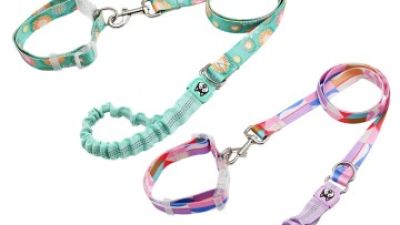
Choosing a durable custom rope dog lead and collar is essential for everyday adventures, from neighborhood walks to weekend outings. The American Pet Products Association’s 2023–2024 National Pet Owners Survey estimates that 66% of U.S. households own a pet, highlighting how frequently walking equipment is used. Designed for regular handling, this nylon pet lead measures 2.5 cm wide and 105 cm long, with a lightweight 127.9 g construction that balances control and comfort.
The matching nylon collar is 2.5 cm wide and weighs only 51.7 g. Its adjustable plastic Japanese buckle allows the collar diameter to extend up to 15 cm, helping create a more adaptable fit. Inside the hand-held nylon section, an elastic belt provides extra flexibility when a dog moves ahead, reducing sudden strain on the handler’s hand. This feature is especially practical for active dogs during daily walks, training sessions, and outdoor exploration.
Durability is also supported by metal accessories designed to resist damage through repeated use. With U.S. pet spending reaching approximately $147 billion in 2023, according to the American Pet Products Association’s State of the Industry report, owners are increasingly focused on practical, long-lasting pet essentials. This lead-and-collar combination offers a dependable option for comfortable handling and consistent everyday use.
Request samples, material specifications, tensile-test results, and stitching photographs. Inspect the clasp, webbing, and edge finishing closely. Catalogs look polished. Evidence matters more.
Check whether the clasp closes smoothly after repeated use. Examine the webbing near the buckle for early fraying. Test leash tension carefully. Small defects can matter.
Ask for batch records, inspection standards, and testing frequency. An agreed AQL level can clarify acceptable defects. Keep one approved sample from every batch. That habit helps.
Review production capacity, lead times, packaging controls, and shortage plans. Ask how the factory handles unstable material supplies. Independent audits may confirm working conditions and consistency.
Confirm that dyes, coatings, and metal parts meet destination-market requirements. Request written material specifications. Do not accept vague claims about safety. Check the actual documents.
Options may include reflective webbing, adjustable harness connections, recycled polyester, hangtags, and retail cartons. Buyers can also request custom colors and barcode placement. More choices usually increase cost.
Test several units from different production batches, not only the first sample. Check stitching density, clasp movement, color accuracy, and leash tension. A beautiful sample proves little.
Confirm minimum order quantities, lead times, packaging dimensions, and carton drop-test results. Put every limit in the quotation. Low prices can hide weak testing. Maybe not always, but often.
The global cat leash industry covers a wide range of products, including adjustable harnesses, lightweight leads, escape-resistant designs, and travel sets for different cat sizes and lifestyles. Reliable Cat Leash manufacturers focus on safe construction, comfortable fit, smooth hardware, secure buckles, and consistent quality control. Materials such as breathable mesh, durable nylon, soft webbing, and corrosion-resistant metal should be selected to balance comfort, strength, and long-term use. Buyers should evaluate suppliers through factory capabilities, sample quality, production capacity, communication, certifications, and quality inspection procedures.
For private label and custom orders, manufacturers may offer logo printing, color selection, packaging design, size adjustments, and product development support. International buyers should also confirm labeling requirements, material declarations, packaging standards, carton protection, shipping terms, and export documentation before placing an order. A dependable supplier should provide clear specifications, transparent pricing, reliable lead times, and practical solutions for safe delivery to different markets.