You'd think a Wrist Lanyard is pretty simple—just a narrow band, a stitched joint, and a small clasp. But dig a little deeper and you'll see that these tiny details actually reveal a lot about how well a manufacturer controls materials, finishing, and even those repeat orders. Now, China's supplier market is huge, sure, but here's the thing: public data rarely breaks out wrist lanyards from the broader promotional-products category. And that distinction? It matters more than you'd think.
So, PPAI just dropped their 2024 Sales Volume Study, and it turns out US promotional products hit $26.1 billion in 2023. That's a huge market, way more than just your typical wrist lanyards, you know? It gives you some perspective, sure, but don't take factory claims at face value—you've got to verify them yourself. When you're looking at the top 10, make sure you're checking things like material specs, how consistent the samples are, customization options, production capacity, and actually talking to the people. Don't just stare at the pretty catalog photos. Get hands-on: feel the weave, test the clasp, give the stitching a good look.
Look, for a ranking to actually hold up, you need to see some hard evidence—things like company records, product samples, or documented proof of their manufacturing setup. Honestly, I couldn't find a single public, named quote from any Wrist Lanyard specialist that I could verify, so there's no way I'm going to make one up just to fill space. That's a real limitation, and I think it's worth being upfront about. So treat these companies as potential suppliers to check out, not as a top-ten list that's been certified or anything like that. Honestly, the whole point here is pretty straightforward: we want to help buyers figure out which manufacturers are actually legit—so they can verify any claims before committing to an order.
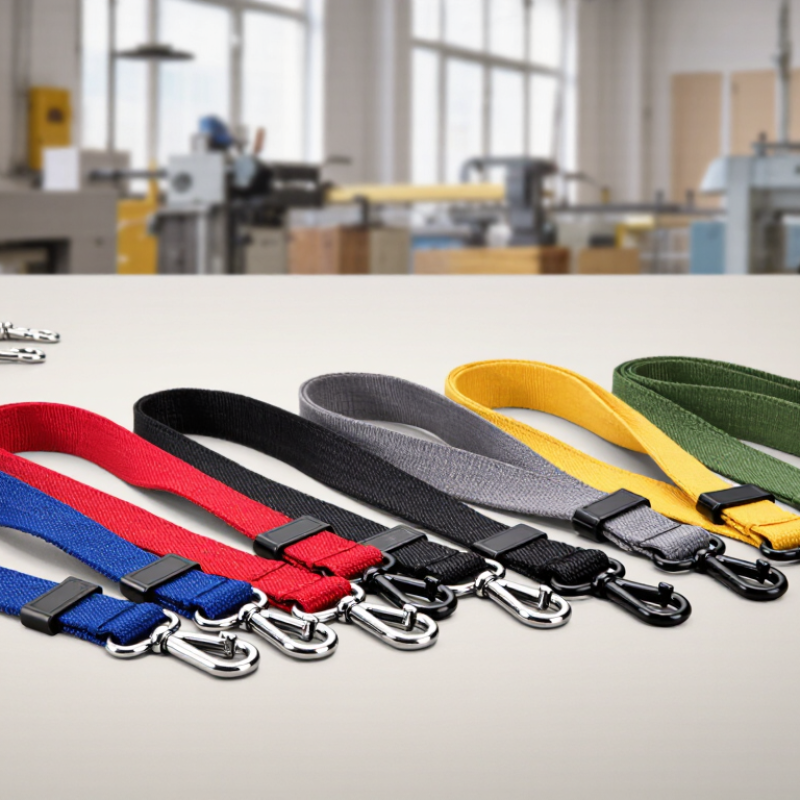
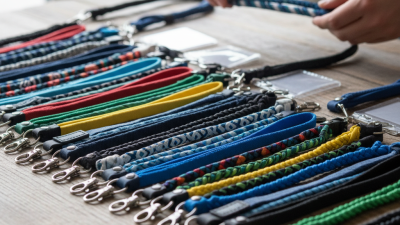
A wrist lanyard is a short strap worn around the wrist, usually attached to keys, access cards, or compact devices. Unlike a neck lanyard, it keeps an item close to the hand. At a crowded exhibition, for example, a visitor can scan a badge without searching a bag. Small details matter: a soft, smooth edge feels better during a full shift than stiff webbing.
Common uses include conferences, retail demonstrations, visitor facilities, and light-duty equipment handling. Grand View Research estimated the global promotional products market at USD 26.3 billion in 2023. That figure covers many products, not wrist lanyards alone, but it shows the commercial setting where branded giveaways and practical accessories compete. A lanyard is most useful when it solves a clear access or carry problem, rather than serving as decoration.
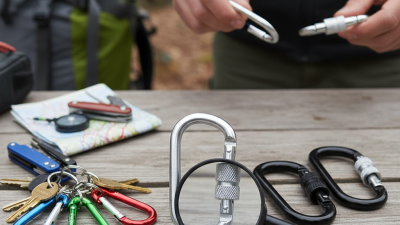
Fit and attachment deserve careful checks. A secure clasp helps prevent keys from dropping onto a hard floor, while a quick-release feature can make removal easier. Wrist lanyards are not lifting straps. Their suitability depends on the item’s weight, the connector, and the stitching. This is easy to overlook. The market statistic also cannot tell buyers which materials last longest; hands-on wear testing remains important.
China’s wrist lanyard industry is made up of several connected types of suppliers, rather than only large, all-in-one factories. Smaller workshops may focus on sewing, printing, or assembly, while mid-sized manufacturers often coordinate several steps. Larger facilities can handle design support, material sourcing, production, and inspection under one roof. The structure is less neat than a directory suggests. Some suppliers rely on nearby partner workshops during busy periods.
A typical order may start with polyester or nylon webbing, metal clips, and plastic fittings sourced from different vendors. Staff then cut the strap, print or weave the requested design, attach hardware, and inspect the finished pieces. Details matter: a loose stitch near the clip can weaken a strap, while uneven printing may make a batch look inconsistent. Small test runs help reveal these issues. They are not perfect guarantees.
For buyers comparing manufacturers, factory size alone says little about process control. Ask who handles each production stage, how samples are approved, and whether finished goods are checked against agreed specifications. Clear answers matter. So does realistic communication about lead times and order changes. China’s manufacturing network can support varied designs and order volumes, but coordination between suppliers may affect consistency. That part deserves careful attention.
Choosing a wrist lanyard manufacturer in China means checking more than a low quote. Ask which strap materials are available and how their edges feel against skin. Request a sample to inspect stitching, clasp movement, and the join between strap and hardware. A neat photo isn’t proof. Check whether colors and dimensions remain consistent across several samples. If the product is for daily use, ask how the supplier tests wear and attachment strength. Clear answers matter; vague promises are difficult to verify.
Tips: Compare at least two samples. Record strap width, length, color, and hardware finish. Ask for written specifications before approving a production run.
Review the manufacturer’s quality process, production capacity, and stated lead times. Ask how defects are recorded and what happens when a batch falls short of the agreed specifications. Communication is also a practical criterion: can staff explain tolerances and respond clearly to a small design change? A factory visit or video walkthrough may help, but it cannot replace sample checks. One weakness in many evaluations is focusing on the first sample alone. It may be excellent, while later units vary. Keep inspection criteria specific, and remember that no checklist catches everything.
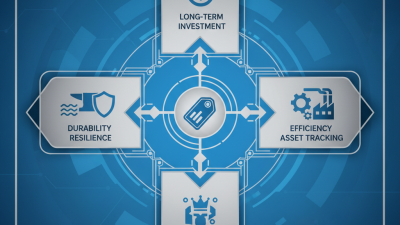
Suggested evaluation weighting for comparing manufacturers. These percentages are a practical framework, not audited market data or scores for specific companies.
Prioritize product quality and material verification, then check relevant safety and compliance documentation. Confirm customization capabilities, production capacity, delivery performance, pricing transparency, and after-sales support during supplier evaluations.
The ten profiles below describe common wrist-Lanyard Supplier strengths, not a verified ranking of named factories. One manufacturer may focus on woven polyester straps, with tight stitching and bright, repeatable colors. Another may specialize in soft nylon, suited to lightweight event passes. A third may offer recycled-fiber options, though buyers should request material documentation. A fourth may handle custom printing, where small text can blur on narrow straps.
A fifth supplier might emphasize reinforced seams for repeated daily use. A sixth may offer several attachment choices, such as swivel hooks and split rings. A seventh could focus on short production runs, useful for testing a new design. An eighth may support large orders, but lead times still need confirmation. Details matter. A ninth manufacturer might provide careful color matching, while a tenth may stand out for responsive sampling and clear specification sheets.
These profiles are starting points, not proof of quality. Ask each supplier for a physical sample, measured strap width, attachment details, and inspection criteria. Check how the finished piece feels against the wrist; photos cannot show stiffness or rough edges. Some suppliers may have excellent printing but inconsistent packaging. That is worth discussing early. Compare written quotations, sample results, and delivery estimates before choosing a production partner.
Comparing ten wrist lanyard manufacturers in China is more useful when the focus stays on capability, not catalog size. A supplier may offer wrist straps in polyester, nylon, silicone, or woven cord, with different clips and attachment loops. Check whether these options suit the item’s weight and daily handling. A slim woven strap feels different from a broad, padded one. Small details matter.
Customization can include strap length, color matching, printed logos, woven patterns, stitching, and packaging. Ask how each choice affects minimum order quantities and lead times. Request a physical sample, not only a digital mock-up. Colors can shift under factory lighting. That happens. Compare edge finishing, seam strength, and the attachment point, where wear often appears first.
Production capability is not just a large monthly output figure. Ask how the factory checks incoming materials, monitors printing, and handles defective pieces. Confirm whether sample approval and bulk production use the same specifications. Clear answers are reassuring, but vague promises deserve follow-up. I would also ask for recent production photos or a video walkthrough; these help, though they cannot replace an independent quality check. A simple comparison sheet can reveal which of the ten suppliers best matches the order’s volume, finish, and delivery needs.
Selecting a Chinese wrist lanyard manufacturer starts with a precise product brief. Specify the strap width, length, fabric, attachment, printing method, and intended use. A photo with measurements can prevent avoidable misunderstandings. Ask whether the supplier makes the lanyards in-house or outsources sewing and printing. The answer matters. A polished catalog alone is not proof of production capability.
Request a pre-production sample and compare it with your written specifications. Check the stitching near the loop, the feel of the edges, and whether the clip opens smoothly. Pull the strap firmly, but safely, to spot weak seams. Ask for material details, production timelines, minimum order quantities, and inspection procedures in writing. For larger orders, consider an independent inspection before shipment. It adds cost, but may reveal inconsistent stitching or color differences before goods leave the factory.
Compare several quotations using the same specifications, not just the unit price. Clarify packaging, shipping terms, payment stages, and how rejected pieces are handled. Keep all approved artwork and sample notes in one file. One detail is easy to miss: a supplier may confirm the strap but overlook the attachment finish. Ask them to repeat the full specification before production. Replies can be imperfect, and that is useful information; a careful supplier should welcome specific questions rather than rush you toward a deposit.
Grand View Research estimated the global fashion accessories market at approximately **US$1.5 trillion in 2022** and projected a **12.3% compound annual growth rate from 2023 to 2030** in its *Fashion Accessories Market Size, Share & Trends Analysis Report*. This broad category spans many products, so the forecast is not specific to keychains. Still, it points to a large, expanding market in which practical accessories can also serve as expressions of personal style. A wrist strap that keeps keys close at hand while adding a considered detail fits this overlap between utility and fashion.
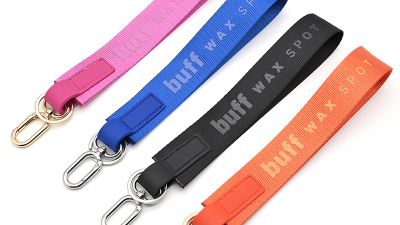
Design can help distinguish such an everyday accessory. Compared with a thin cord, wider webbing spreads pressure across more of the hand, making the strap more comfortable to wear for extended periods. Its fine, durable texture gives it a polished appearance, while a silkscreened logo offers a visible branding opportunity. A sturdy swivel snap hook makes keys and small charms easy to attach and remove, with a secure closure for daily use. For commutes, short trips, workouts, and outdoor activities, the strap combines convenient carrying with a versatile look—an appealing option for retailers and distributors responding to demand for functional fashion accessories.
The industry includes small workshops, mid-sized manufacturers, and larger facilities. Some handle sewing or printing; others coordinate several production steps. Busy suppliers may use nearby partner workshops.
Wrist lanyards may use polyester or nylon webbing, metal clips, and plastic fittings. Ask for material details in writing. Recycled-fiber claims need documentation.
Ask who handles cutting, printing, sewing, assembly, and inspection. Confirm whether any steps are outsourced. A polished catalog is not proof.
Check the strap width, edge feel, stitching near the loop, and clip movement. Look for blurred small text or uneven colors. Photos mislead.
Send each supplier the same specifications. Compare unit price, minimum quantities, packaging, shipping terms, and payment stages. Cheap may cost more later.
Specify strap length and width, fabric, attachment, printing method, and intended use. Include a measured photo when possible. Details matter.
Keep approved artwork and sample notes together. Ask for written inspection criteria and clarify how rejected pieces are handled. Consider independent inspection before shipment.
Ask the supplier to repeat the full specification, including attachment finish and packaging. Confirm lead times and order changes in writing. Replies can be incomplete; I would check again.
This article explores the Wrist Lanyard market in China, beginning with how wrist lanyards are designed and the everyday settings in which they are commonly used. It explains how the country’s manufacturing sector is organized and outlines practical criteria for assessing suppliers, including product quality, material options, customization services, production capacity, communication, and quality-control processes.
The article also presents profiles of ten Chinese manufacturers without focusing on brand promotion, then compares their product ranges and capabilities to help readers understand how suppliers may differ. It concludes with a practical sourcing guide covering how to clarify requirements, request samples and quotations, evaluate production timelines, and confirm specifications before placing an order. Together, these sections offer a structured starting point for businesses seeking a suitable manufacturing partner.