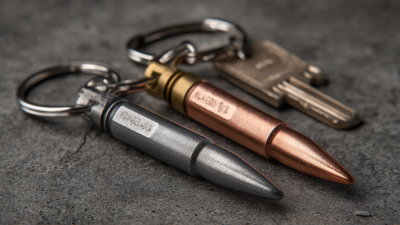
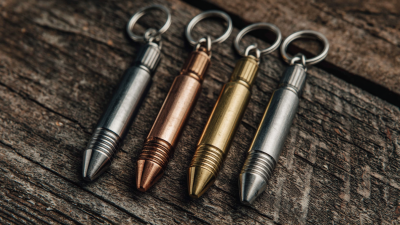
Sourcing Bullet Bottle Openers for wholesale isn’t just about picking a cool-looking shape. Sure, appearance matters. But the opener also has to pop caps off smoothly, hold up to repeated use, and come out consistent from batch to batch. Buyers need to look at the metal grade, the bullet profile, grip texture, plating quality, and how the opening mechanism actually works. Honestly, the small stuff matters. A loose lever here or there? That’s the kind of thing that chips away at customer trust.
As Ethan Cole, a wholesale hardware consultant at Meridian Gift Supply, puts it: “A reliable opener is judged by its repeat use, not its first impression.” And that’s a pretty good rule for evaluating suppliers, too. Before you even talk about large quantities, ask for physical samples. Try each one on different bottle caps. Does it slip? Bend? Scratch too easily? Leave sharp edges? Then ask for material specs, factory photos, inspection records, and packaging details. A solid manufacturer should be able to answer you clearly—and back it up with numbers, not vague promises.
Pricing? Yeah, it deserves close attention. But the cheapest quote rarely tells the whole story. Compare MOQs, tooling fees, logo options, carton strength, lead times, and shipping terms. And make sure the quoted finish actually matches the approved sample. Sounds obvious, right? It is. Still gets missed all the time. I’ve seen good-looking samples turn inconsistent once mass production kicked in. That’s why pre-production approval matters so much. Wholesale buyers should also think about seasonal demand, replacement rates, and storage space. A compact Bullet Bottle Openers program can help cut freight costs, but weak packaging can wipe out those savings fast. Careful sourcing isn’t about being perfect. It’s about checking your assumptions, keeping records, and making better calls before you commit the money.
Define Your Wholesale Requirements and Target Market
Before sourcing bullet bottle openers, define the buyer clearly. A barware retailer may value polished metal, gift packaging, and reliable opening performance. An event supplier may prefer low unit cost, simple packaging, and custom engraving. Outdoor gift shops may request compact sizes and sturdy finishes. PPAI Research reported that U.S. promotional product sales reached approximately $25.8 billion in 2023. This indicates strong potential for practical, memorable giveaway items.
Set measurable wholesale requirements before contacting factories. Record target quantity, acceptable unit price, dimensions, material, finish, packaging, and customization method. Stainless steel can support a stronger quality message, while zinc alloy may reduce costs. Ask for samples and test the opener repeatedly on different bottle caps. Small details matter, including sharp edges, loose rings, uneven plating, and difficult engraving. Poor packaging can damage the product before it reaches a store.
Target market changes the order strategy. Corporate event buyers may need 500 pieces with a short delivery window. Independent retailers may prefer 50 to 100 pieces across several finishes. My first demand estimate might be too optimistic. Seasonal sales can also distort results. Use small trial orders, then compare sell-through rates, customer comments, and return reasons. Euromonitor’s consumer research consistently shows that shoppers consider functionality and value when evaluating everyday lifestyle products. Novelty attracts attention, but usefulness supports repeat orders.
Identify Reliable Bullet Bottle Opener Manufacturers and Suppliers
Sourcing bullet bottle openers begins with finding manufacturers that can repeat quality, not merely offer low prices. Grand View Research estimates the global barware market will expand at about 6% annually through 2030. This growth increases supplier competition, but it also creates uneven workmanship. Ask for factory photos, production capacity, material specifications, and recent inspection records. A dependable supplier should explain whether the opener uses stainless steel, zinc alloy, or coated metal. The finish should resist peeling after repeated handling.
Request samples before discussing large wholesale quantities. Test the opener on different cap sizes, including tightly sealed bottles. Check leverage, edge smoothness, weld points, and the spring or hinge movement. The International Organization for Standardization reports that consistent quality systems improve process control, so suppliers with documented inspection procedures deserve closer attention. However, certificates alone prove little. Review the issuing body, testing scope, and document date.
Compare minimum order quantities, tooling fees, packaging options, and replacement policies in writing. Industry reports from Fortune Business Insights identify customization and e-commerce distribution as continuing drivers in drinkware-related markets. That makes logo placement and retail-ready packaging useful, but printing quality must be tested under rubbing and moisture. A perfect supplier rarely exists. I would still recheck shipment samples, because one approved sample cannot represent every production batch. Choose the factory that communicates clearly, records defects, and accepts measurable quality standards.
Compare Materials, Designs, Prices, and Minimum Order Quantities
How to Source Bullet Bottle Openers for Wholesale?
Sourcing bullet bottle openers for wholesale starts with a clear use case: promotional gifts, bar service, or retail display. Stainless steel offers corrosion resistance and a firm hand feel. Zinc alloy supports detailed bullet shapes, but plating may wear around the rim. Aluminum is lighter and often cheaper, although it can feel less substantial. I have found that material samples reveal problems hidden by product photos. Ask for coating thickness, pull tests, and close-up images of the opener head. Do not rely on color alone.
Design affects both cost and usability. A simple one-piece model packs efficiently and suits large giveaways. A keychain loop adds convenience, but it can increase assembly labor. Magnetic versions look attractive on metal surfaces, yet weak magnets create complaints. Check the lever angle, grip width, and bottle-cap clearance with several cap types. Small details matter. Engraving usually costs more than one-color printing, especially on curved surfaces. Request a pre-production sample before approving artwork. I once underestimated packaging space, and the final carton needed costly adjustment. Test it.
Compare prices by landed unit cost, not quotation alone. Include tooling, setup, packaging, inspection, freight, and possible sample charges. A low unit price may hide a high minimum order quantity. Many suppliers offer price breaks at 500, 1,000, and 3,000 pieces, but thresholds vary. Negotiate a smaller trial order when demand is uncertain. Confirm defect tolerance, replacement terms, and production timing in writing. A practical spreadsheet can compare material, finish, MOQ, lead time, and total cost side by side. Supplier claims still need verification.
Verify Product Quality, Safety Standards, and Supplier Credentials
How to Source Bullet Bottle Openers for Wholesale?
A bullet bottle opener needs more than an attractive shape. Inspect every sample for sharp edges, burrs, loose parts, and weak welds. The handle should feel solid, while the opener should remove caps without twisting or cracking. Request material details, coating specifications, and corrosion-test results for the exact model. A general factory certificate is not enough.
Safety evidence should match the product’s real use. If the opener touches the bottle rim, ask for food-contact declarations applicable to the destination market. Check coating migration, heavy-metal restrictions, and nickel-release requirements where relevant. The European Commission’s food-contact framework requires materials to avoid harmful transfer under normal use. Testing should also include repeated opening cycles and drop resistance. Small defects become expensive at scale.
Supplier credentials deserve equal attention. The ISO Survey 2023 recorded 1,265,216 ISO 9001 certificates worldwide, but certification alone does not prove production consistency. Request the certificate number, issuing body, audit scope, and expiration date. Confirm that the audited site matches the shipping factory. Ask for batch records, inspection plans, and traceability codes. Pre-shipment inspection should sample the finished cartons, not only showroom pieces. A glossy PDF can mislead. One weakness in my own checks is relying too heavily on laboratory reports; I now compare reports with physical samples, packaging marks, and independent inspection photographs before approving a wholesale order.
Request Samples and Confirm Customization and Packaging Options
When sourcing bullet bottle openers wholesale, request physical samples before discussing a large order. A product photo cannot reveal sharp edges, weak joints, or uneven plating. I once approved a sample too quickly. The handle looked excellent, but the opener bent during repeated testing.
Ask for at least three samples from the same production method. Test cap removal, grip comfort, coating adhesion, and repeated stress. Record measurements, weight, material grade, and color references. For custom designs, confirm logo placement, engraving depth, surface finish, and acceptable color tolerance. PwC’s 2024 Voice of the Consumer Survey found that 46% of respondents reported buying more sustainable products. Therefore, ask whether recycled metal, reduced plastic, or recyclable inserts are available. Keep every specification in a signed sample approval sheet.
Packaging deserves equal attention. Request mock-ups showing the inner tray, barcode area, warning text, carton strength, and outer-case quantity. McKinsey reports that 60% to 70% of consumers may pay more for sustainable packaging, but cost still matters in wholesale purchasing. Compare kraft boxes, molded pulp, and recyclable paper sleeves against drop-test results. Ask suppliers to provide carton dimensions and packing photos. A beautiful package can still arrive crushed. Confirm lead times, replacement terms, inspection standards, and sample charges in writing. I would also order a small pilot batch, because the first approved sample may not represent full production consistency.
Negotiate Terms, Place a Trial Order, and Plan Quality Control
When sourcing bullet bottle openers for wholesale, begin with a written specification.
State the metal type, overall length, opener function, surface finish, and target packaging. Add acceptable color variation and maximum edge roughness. Small details matter.
During negotiation, separate product cost from tooling, packaging, inspection, and freight charges.
Confirm the minimum order quantity, production lead time, payment schedule, and replacement policy. Request a pre-production sample and approve it with dated photographs. Do not rely on verbal promises. Ask how defects will be measured. An experienced supplier should explain sampling levels and provide a realistic corrective-action process. Keep it practical.
Place a small trial order before committing to full wholesale volume.
Use identical packaging and labeling during the trial. Check random cartons, not only the best-looking units. Measure opening force, inspect the hinge, and look for scratches, loose parts, or uneven plating. Photograph findings beside a ruler and record carton numbers.
I once treated a clean sample as proof of stable production; that assumption was weak. Factories can change operators, materials, or finishing batches. Trial data exposes those changes early.
Build quality control into every purchase order.
Define inspection timing, sample size, defect categories, and acceptable limits. Require a final inspection report before balance payment, when commercially suitable. Use an independent inspection when order value justifies the cost. Review failure patterns after delivery. One missed carton count can distort inventory planning. Leave room to improve the checklist after each shipment.
Custom 50 Caliber Bullet-Shaped Bottle Openers: A Manufacturer Guide for Branding and Bulk Orders
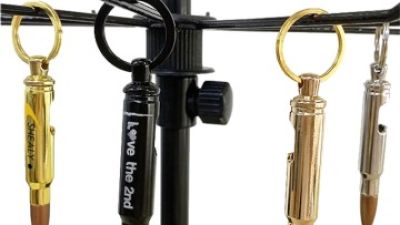
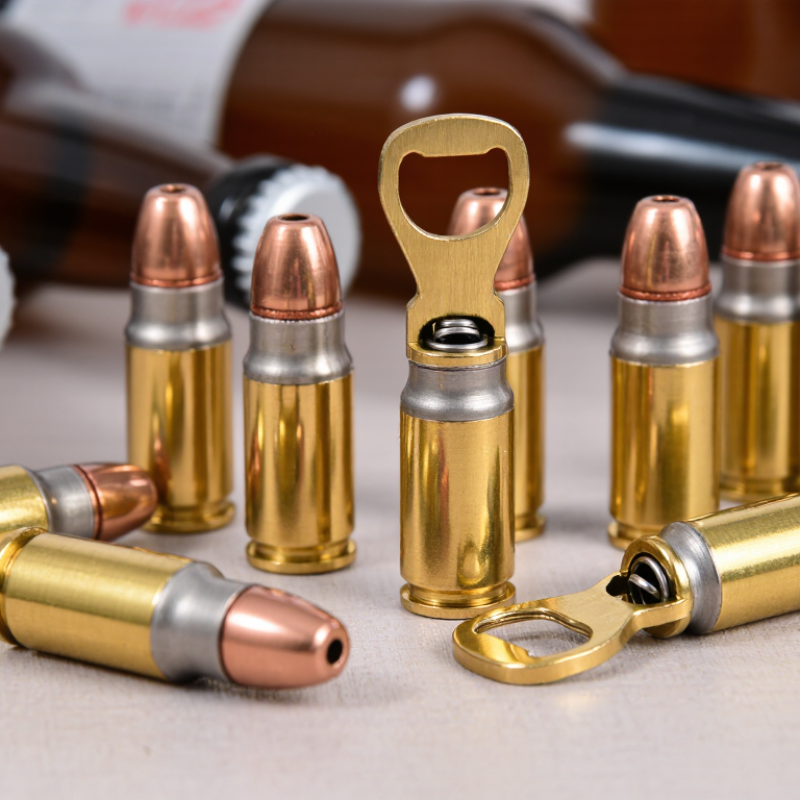
Custom 50 Caliber Bullet-Shaped Bottle Openers offer a distinctive way to create memorable promotional merchandise for events, hospitality businesses, outdoor-themed campaigns, and gift programs. Designed with a bold bullet-inspired silhouette, the opener attracts attention while remaining a practical everyday accessory. Its metal construction provides a solid feel, smooth surface, and comfortable handling, making it suitable for repeated use and long-term display.
For branding and bulk orders, the surface can be adapted for custom logos, slogans, dates, or other approved artwork, helping each order match a specific marketing theme. Buyers can also discuss finish, color, packaging, and presentation options with the manufacturer to create a cohesive product line. The compact shape is easy to store, distribute, and include in welcome kits, event packages, gift sets, or promotional campaigns.
The bottle-opening component is precisely designed to remove beer caps quickly and easily, while the balanced structure supports stable and safe operation. A split ring at the top allows the opener to function as a convenient keychain, keeping it accessible on bags, keys, or equipment cases. Before placing a large order, purchasers should confirm artwork requirements, sample approval, production schedules, packaging details, and shipping arrangements to ensure consistent quality across the entire batch.
FAQS
Record quantity, target price, dimensions, material, finish, packaging, and customization needs. A clear checklist prevents expensive misunderstandings.
Stainless steel feels strong and resists corrosion. Zinc alloy supports detailed shapes and may reduce costs. Aluminum is lighter and often cheaper. A material sample matters.
Request samples and test them on several bottle-cap types. Check the lever angle, grip width, and cap clearance. A weak opening action is a warning.
One-piece designs pack efficiently and suit large giveaways. Keychain loops add convenience but may increase assembly labor. Magnetic versions need reliable magnets.
Compare landed unit cost, including tooling, setup, packaging, inspection, freight, and sample charges. The cheapest quote may not be cheapest overall.
Match the order size to realistic demand. Retailers may begin with 50 to 100 pieces, while events may need 500 pieces. My forecast could be too optimistic.
Confirm engraving or printing costs, artwork placement, and surface compatibility. Request a pre-production sample before approving production. Curved surfaces can distort artwork.
Start with a small trial order. Compare sell-through rates, customer comments, defects, and return reasons. Inspect every carton.
Check whether packaging protects the opener during shipping. Confirm carton dimensions, internal spacing, and finish protection. Poor packaging can damage polished surfaces.
Confirm defect tolerance, replacement terms, production timing, packaging specifications, and customization details. Keep these items in one comparison sheet. Supplier claims still need verification.
Conclusion
Sourcing Bullet Bottle Openers for wholesale begins with clearly defining your business requirements and target market. Determine the intended use, preferred style, material, color, size, estimated order volume, and budget before contacting suppliers. Then research reliable manufacturers and compare their product designs, construction quality, prices, minimum order quantities, production capacity, and delivery schedules. A structured comparison can help you identify the best balance between cost, durability, and customer appeal.
Before making a commitment, verify product quality, safety standards, manufacturing experience, and supplier credentials. Request samples to evaluate functionality, finish, packaging, and consistency, and confirm whether customization options such as colors, logos, labels, or retail packaging are available. Discuss payment terms, lead times, shipping arrangements, and after-sales support. Finally, negotiate practical conditions, place a small trial order, and establish quality-control procedures for inspections, defect handling, and future shipments. This approach reduces purchasing risks and supports a dependable long-term wholesale supply plan.