Get Instant Quote
Leave Your Message
0%

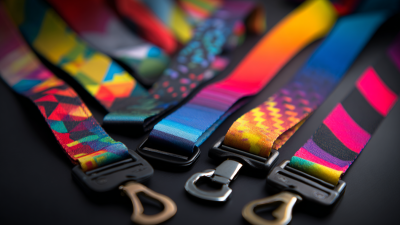
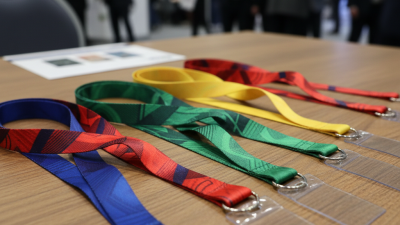
Picking the best Printed Lanyard? Honestly, it's about way more than just slapping a logo on some fabric. You've got to balance comfort, looks, durability, and consistency in production. A lanyard can look great on a screen, but then feel rough after you've worn it for a few hours. It's the little things that matter. The fabric's texture, how the edges are finished, the quality of the clip, how sharp the print is—all of that can shape how someone feels about using it.

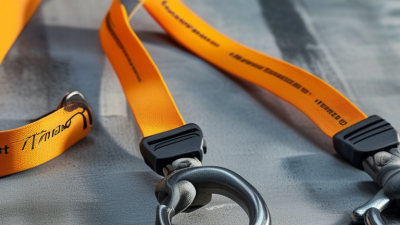
When I'm actually evaluating products, I tend to compare polyester, nylon, and satin based on where they're going to be used. Polyester is usually pretty reliable for color reproduction, and it holds up reasonably well too. Satin gives you a smoother, more polished look — but the downside is it can show scratches or creases a lot more easily. Width matters for comfort as well. A 15-millimeter strap works well for lightweight badges, while a 20-millimeter option might be better if you're dealing with heavier cards or access devices. We tend to overlook attachment hardware, but honestly? It deserves just as much attention. Metal clips have that solid, sturdy feel. Plastic fittings, on the other hand, can help cut down on weight—and cost, too. But at the end of the day, neither one is automatically the better pick.

A good supplier? They should be able to walk you through things like printing methods, color references, minimum order quantities, how samples work, and what their quality checks look like. And definitely ask if the artwork stays sharp around seams and folded spots. If color accuracy is a big deal, get a physical sample. It can show you issues a digital proof just won't. Honestly, no checklist covers everything. I've seen good-looking designs flop because the clip pinched the clothing, or the logo turned into a blur from even a short distance. Honestly, the best choice isn't just about the price tag—it's about how you'll actually use it. In this guide, we'll walk through the practical questions to ask so you can pick a printing lanyard that looks sharp, feels good to wear, and holds up day after day.
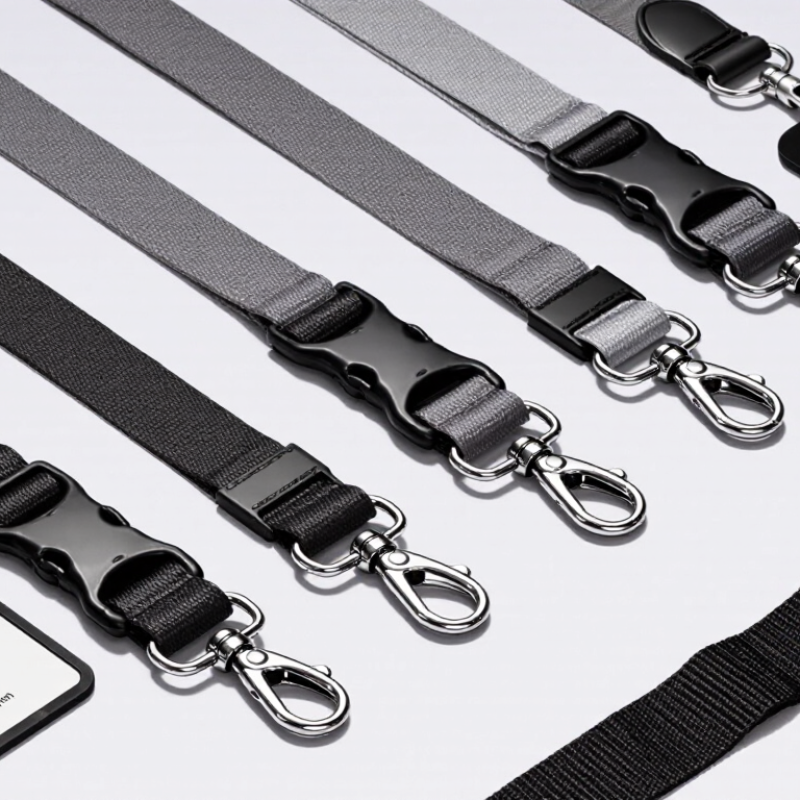
How to Choose the Best Printing Lanyard?

Define the Use Case: Event, Corporate ID, Security, or Promotional Lanyards

How to Choose the Best Printing Lanyard?

Define the Use Case: Event, Corporate ID, Security, or Promotional Lanyards

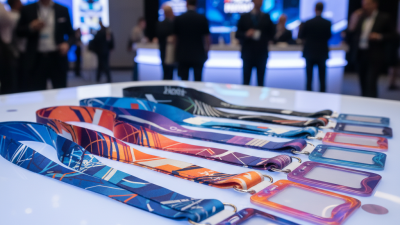
When selecting a printing lanyard, begin with its daily job. An Event Lanyard usually needs bright graphics, readable text, and comfortable fabric. Attendees may wear it for eight hours. Soft polyester and smooth edges can reduce neck irritation. Keep the message visible from several steps away.

Corporate ID lanyards require a more restrained design. Use clear color contrast, consistent spacing, and room for an employee badge. The attachment should hold the card securely without twisting. For security applications, choose a durable strap with a suitable breakaway feature. Check how it performs during routine movement, not only during a sample inspection. A lanyard that looks strong may still fail at its clip.

Promotional lanyards should support recognition without becoming visual noise. A short slogan, contact detail, or campaign message often works better than crowded artwork. Test printed colors under indoor lighting and outdoor sunlight. I once approved a design that looked excellent on screen but appeared dull on fabric. That mistake taught me to review physical samples earlier. It is also worth asking who will wear the lanyard, how often, and in what environment. Children’s events, busy offices, and outdoor exhibitions may need different lengths, materials, and attachment choices. Some decisions remain uncertain until real users try them.

Compare Polyester, Nylon, and RPET by Strength, Comfort, and Sustainability

How to Choose the Best Printing Lanyard?

A printed lanyard must feel comfortable before it looks impressive. In sample testing, polyester often provides the best balance for daily events. Its smooth surface holds colors clearly and resists wrinkles. It also dries quickly after light rain or sweat. However, low-grade polyester can feel thin and rough against the neck.

Nylon is usually stronger and has a softer, slightly glossy finish. It works well for lanyards carrying access cards, keys, or small tools. The material bends easily and feels pleasant during long shifts. Its surface can make some prints appear less matte. That detail matters when readability is more important than shine. I have also found that very narrow nylon straps may twist under heavier loads.

RPET, made from recycled plastic, offers a practical sustainability advantage. It can reduce dependence on newly produced plastic fibers. Its strength and comfort are often close to standard polyester, depending on the weave and finishing process. Yet recycled content alone does not guarantee a responsible product. Ask for material documentation and check whether the recycling claim is independently verified. Small details count.

Before ordering, test the actual sample against the skin. Pull the strap, bend the attachment point, and inspect the print after rubbing it repeatedly. A beautiful design is not enough. For soft daily wear, choose a smooth weave. For heavier use, prioritize tested tensile strength. Some decisions remain imperfect, especially when comfort, durability, and sustainability compete.

How to Choose the Best Printing Lanyard?

Comparing polyester, nylon, and RPET by strength, comfort, and sustainability

Nylon generally provides the highest strength and softest hand feel, while polyester offers better shape retention, abrasion resistance, and consistent print quality. RPET delivers performance close to standard polyester while reducing reliance on virgin plastic, making it the strongest option for sustainability-focused lanyard projects. Scores use a practical 1–10 material index; actual results vary with yarn size, weave, finish, and construction.

Select Printing Methods for Detail, Colorfastness, and Production Volume

How to Choose the Best Printing Lanyard?

The printing method should match detail, colorfastness, and production volume. Screen printing suits simple logos, bold lettering, and large orders. It deposits solid ink efficiently, but fine gradients may appear rough on narrow straps. Dye sublimation works well on polyester lanyards with photographs, gradients, and edge-to-edge artwork. The color becomes part of the fibers. This usually improves wash resistance. According to Smithers’ The Future of Digital Textile Printing to 2028, digital textile printing is forecast to grow at nearly 10% annually, reflecting stronger demand for flexible, short-run production.

For small quantities, heat-transfer printing can reduce setup waste and support quick artwork changes. It captures sharp details, although thick transfer films may feel noticeable under the fingers. That tactile issue is easy to overlook.

For high-volume orders, screen printing often provides better unit economics, while sublimation reduces color limitations.

Ask for a physical proof, not only a digital preview. Check logo edges, strap alignment, and color under indoor and outdoor light. AATCC Test Method 61 can help evaluate accelerated laundering performance, while ISO 105-C06 provides a recognized framework for textile colorfastness. Neither test perfectly predicts daily friction, sweat, or sunlight. That is where practical sampling matters.

Choose artwork with production limits in mind. Tiny text may disappear after folding. Very pale colors can lose contrast. I would test one sample after rubbing it against clothing and hardware. It may reveal problems that a laboratory report misses.

Specify Artwork at 300 DPI with Pantone Color References

How to Choose the Best Printing Lanyard?

Artwork quality often decides whether a printed lanyard looks professional or slightly disappointing. Supply files at 300 DPI at the final print size. A 600-pixel logo enlarged to 10 inches will appear soft, regardless of the printer’s claims. Keep text and logos as vector artwork when possible. Small errors multiply.

Use Pantone color references for important brand colors, but do not treat them as absolute guarantees. Polyester, nylon, coatings, and printing methods can change the final appearance. Request a physical proof or a calibrated digital proof before production.

Compare it under normal office lighting, not only on a bright monitor. I have seen vivid screen colors become darker on woven fabric. That gap is easy to underestimate.

The expanding print market makes file control more important. Smithers estimated the global digital print market at about 167.5 billion dollars in 2023, with continued growth projected through 2028. Grand View Research valued the digital printing market at 35.71 billion dollars in 2022 and forecast a 6.5% annual growth rate through 2030. These reports cover broad printing segments, not lanyards, but they reflect rising production volume and tighter quality expectations. Include the Pantone reference, 300 DPI artwork, final dimensions, and material details in one production sheet. Check spelling twice. A missing bleed or unclear color conversion can still delay approval.

Evaluate Tensile Performance Using ISO 2062:2009 Test Methods

How to Choose the Best Printing Lanyard?

Evaluate Tensile Performance Using ISO 2062:2009 Test Methods

A printed lanyard should feel comfortable, but appearance cannot prove strength. ISO 2062:2009 evaluates yarn breaking force and elongation at break. It uses a constant-rate-of-extension tensile tester. This method helps compare yarn lots under controlled conditions. Test specimens should come from representative production material, not only selected samples. Small details matter.

Before testing, condition the yarn in a controlled atmosphere. Record temperature, relative humidity, yarn type, specimen length, pretension, and testing speed. These details improve repeatability between laboratories. The machine then pulls each yarn until it breaks. Record the maximum force and extension at break. Calculate average values and variation across specimens. A high average alone may hide inconsistent results.

ISO 2062:2009 applies to yarn, not the complete printed lanyard. Therefore, use it to assess the yarn’s foundation, then inspect the woven strap and attachment points separately. Printing, heat, abrasion, and stitching can change final performance. Test finished samples after printing and assembly. I would not rely on one laboratory result. Repeated testing often reveals weak edges, uneven tension, or poor joining. That extra evidence supports a more reliable purchasing decision.

Check Material Safety Against REACH SVHC and OEKO-TEX Standard 100

How to Choose the Best Printing Lanyard?

Check Material Safety Against REACH SVHC and OEKO-TEX Standard 100

A printed lanyard touches skin, clothing, and sometimes a child’s hands. Material safety should guide the purchase, not only color, price, or print sharpness. Ask the supplier what the strap, dye, ink, metal fittings, and plastic parts contain. A cotton, polyester, or recycled-fiber strap can require different chemical evaluations. The finished product matters most.

REACH SVHC checks focus on substances of very high concern listed by the European Chemicals Agency. The list can change, so an old declaration may not prove current compliance. Request a dated material statement and laboratory report when available. Check whether the evidence covers the complete lanyard, including clips and printed surfaces. A fabric report alone may leave important parts unexamined.

OEKO-TEX Standard 100 testing examines harmful substances in textiles and components. Ask for the certificate number, product scope, product class, and validity period. Product class is important because items worn close to the skin may face stricter requirements. Do not accept a logo image without verification. During sample checks, I also look for strong odors, ink transfer, rough edges, and color bleeding after light rubbing. Small flaws matter. A supplier may provide excellent paperwork, yet the physical sample can still feel uncomfortable. That gap deserves honest review before placing a large order.

Verify Metal Hardware Corrosion Resistance with ISO 9227:2022 Tests

How to Choose the Best Printing Lanyard?

Metal hardware can decide whether a printed lanyard remains dependable after weeks of handling. A polished clip may look strong, yet moisture can attack hidden edges, springs, and contact points. ISO 9227:2022 provides controlled salt spray methods for evaluating corrosion resistance. These include neutral salt spray, acetic acid salt spray, and copper accelerated acetic acid salt spray.

Ask the supplier which method matches the hardware finish and intended environment. Request the test standard, exposure duration, sample preparation, and acceptance criteria in writing. ISO 9227:2022 describes testing procedures, but it does not automatically define a universal pass or fail period. That detail must come from the product specification. An experienced laboratory should record blistering, rust, coating loss, and functional changes after exposure. Check more than appearance. The clasp should still open smoothly, close firmly, and support the expected badge weight.

I once treated a bright metal finish as proof of durability. That shortcut was wrong. Salt spray results can compare finishes, but they cannot perfectly predict every outdoor or coastal condition. Humidity, sweat, abrasion, and poor storage may change performance. Ask for photographs before and after testing, plus traceable sample identification. If possible, inspect production samples rather than only polished prototypes. Small defects matter. A sharp edge, weak spring, or thin coating can become a daily failure point. Choose the lanyard whose documentation, hardware function, and test evidence agree.

How to Choose the Best Printing Lanyard? - Verify Metal Hardware Corrosion Resistance with ISO 9227:2022 Tests
Metal Hardware or Finish Typical Corrosion Resistance Recommended Lanyard Applications Relevant ISO 9227:2022 Test Method What to Inspect After Testing Purchasing Verification Point
Austenitic stainless steel, such as 304 High in many indoor and general outdoor environments
Resistance can be reduced by chlorides, crevices, contamination, and surface damage.
Long-term identification lanyards, visitor badges, institutional use, and general outdoor exposure. Neutral salt spray (NSS) under ISO 9227:2022. Use a purchaser-defined exposure duration and acceptance criterion. Red rust, pitting, crevice corrosion, staining, loss of spring action, and damage around punched or formed areas. Confirm the exact stainless-steel grade, surface condition, sample traceability, test duration, and original laboratory report.
Austenitic stainless steel, such as 316 Very high for chloride-prone environments compared with 304
Molybdenum-containing stainless steel generally provides improved resistance to localized chloride corrosion.
Marine-adjacent sites, humid facilities, healthcare environments, and outdoor events where salt exposure is possible. NSS under ISO 9227:2022 is suitable for comparative screening; define the exposure time and acceptance requirements before testing. Pitting, crevice attack, discoloration, red rust, deformation, and functional failure of clips or rings. Request material identification and verify that the tested part has the same grade, finish, geometry, and manufacturing process as the supplied hardware.
Nickel-plated zinc alloy Moderate to high when the plating system is intact
Corrosion protection depends strongly on coating thickness, porosity, edge coverage, and sealing.
Indoor offices, exhibitions, conferences, and short-term events where severe salt exposure is unlikely. NSS under ISO 9227:2022 for comparative evaluation of the complete plated component. White corrosion products, red rust, blistering, peeling, bubbling, edge attack, and visible base-metal corrosion. Specify the plating system, required appearance, test duration, permitted corrosion area, and whether functional operation must be retained.
Chrome-plated zinc alloy Moderate, highly dependent on the underlying nickel layer and sealing
Decorative appearance does not by itself prove long-term corrosion resistance.
Indoor promotional lanyards, display badges, ceremonies, and appearance-focused applications. NSS under ISO 9227:2022. Use the complete finished hardware rather than a flat coating panel when evaluating the actual product. Pitting, loss of gloss, blistering, peeling, red rust at edges or scratches, and impaired clip movement. Ask for coating construction, substrate information, sample photographs before and after testing, and the stated acceptance limit.
Zinc-plated carbon steel Moderate when the zinc layer is continuous and undamaged
Zinc provides sacrificial protection, but scratches, cut edges, and thin areas may corrode earlier.
Cost-sensitive indoor use, temporary events, warehouse identification, and controlled environments. NSS under ISO 9227:2022 to compare finished parts and coating systems. White zinc corrosion products, red rust on exposed steel, edge corrosion, coating loss, and structural weakening. Verify zinc coating specification, passivation or sealing treatment, exposed-edge performance, and the actual test report for the finished part.
Uncoated carbon steel Low
Bare carbon steel can develop visible rust rapidly in humid or salt-contaminated conditions.
Dry indoor applications only, preferably for short service periods and protected storage. NSS under ISO 9227:2022 can demonstrate susceptibility, but the standard does not establish a universal pass/fail period. Red rust, pitting, scaling, rough edges, staining of nearby textile material, and loss of mechanical strength. Avoid for outdoor or marine exposure unless a documented protective system is added and verified through testing.
Aluminum alloy with anodized finish Moderate to high, depending on alloy, anodizing quality, sealing, and damage
Localized damage and alkaline or chloride contamination can reduce protection.
Lightweight lanyards, outdoor identification, sports events, and applications where low hardware weight is important. NSS under ISO 9227:2022 may be used for comparative screening of the finished component. Pitting, discoloration, chalking, exposed substrate, coating damage at holes or edges, and loss of printed or decorative appearance. Record alloy, anodizing type, coating thickness or process specification, sealing condition, and the acceptance criteria used.
Powder-coated steel Moderate to high when coating adhesion and edge coverage are adequate
Corrosion may spread beneath the coating after a scratch or exposed edge.
Outdoor or industrial lanyards requiring a colored metal finish, subject to suitable coating selection. NSS under ISO 9227:2022, preferably combined with an agreed scribe or defect evaluation method when coating performance is being assessed. Rust creep from scribed areas, blistering, delamination, cracking, chalking, and exposed steel at edges or holes. Define coating type, pretreatment, film thickness, adhesion requirement, scribe evaluation method, and maximum permitted underfilm corrosion.
Important ISO 9227:2022 note: ISO 9227 specifies laboratory neutral salt spray (NSS), acetic acid salt spray (AASS), and copper-accelerated acetic acid salt spray (CASS) test methods. It does not prescribe a universal exposure duration or a universal pass/fail rating for every metal hardware application. Before testing, define the test method, exposure time, specimen condition, evaluation method, and acceptance criteria. Salt-spray results should be used for comparative verification and product-specific qualification rather than as a direct prediction of outdoor service life.

FAQS

Which material offers the best everyday balance for printed lanyards?

Polyester often balances comfort, appearance, and quick drying well. Its smooth surface holds colors clearly and resists wrinkles. Low-grade versions may feel thin or rough.

When is nylon a better choice?

Nylon suits lanyards carrying access cards, keys, or small tools. It feels soft and bends easily during long shifts. Very narrow straps may twist under heavier loads.

What sustainability points matter when choosing recycled polyester?

Recycled polyester can reduce reliance on newly produced plastic fibers. Its performance often resembles standard polyester. Ask for material documents and independently verified recycling claims.

How should comfort be checked before ordering?

Test the actual sample against your skin. Pull the strap, bend the attachment point, and wear it briefly. Small details matter.

Which printing method suits detailed artwork?

Dye sublimation works well for photographs, gradients, and edge-to-edge designs. The color enters the fibers and usually resists washing better. It mainly suits polyester materials.

What printing method fits simple designs and large quantities?

Screen printing suits bold lettering, simple logos, and high-volume production. It applies solid ink efficiently. Fine gradients may look rough on narrow straps.

Is heat-transfer printing useful for small orders?

Heat-transfer printing supports quick artwork changes and smaller quantities. It can capture sharp details. However, thick transfer films may feel noticeable under your fingers.

How can print quality be checked realistically?

Request a physical proof, not only a digital preview. Inspect edges, alignment, and colors under indoor and outdoor light. Rub the sample against clothing and hardware.

What should tensile testing reveal?

Tensile testing measures breaking force and elongation. Use representative production material, not only selected pieces. A high average may hide inconsistent results.

Can yarn testing prove the finished lanyard is reliable?

No single test settles everything. Yarn testing evaluates the material foundation, not the complete strap. Inspect printing, stitching, edges, and attachment points separately.

Conclusion

Choosing the right Printing Lanyard starts with clearly defining its purpose, whether it is for events, corporate identification, security access, or promotional use. Polyester offers a practical balance of durability and affordability, nylon provides a smoother and stronger finish, while RPET supports sustainability goals. The best material should match the required comfort, appearance, strength, and environmental expectations. Printing methods should also be selected according to artwork detail, colorfastness, and production volume, while artwork should be prepared at 300 DPI with accurate Pantone color references for consistent results.

Quality verification is equally important. Tensile performance can be evaluated using ISO 2062:2009 test methods to help confirm reliable use. Materials should be checked against REACH SVHC requirements and OEKO-TEX Standard 100 expectations for safer contact. Metal fittings should also receive corrosion-resistance testing based on ISO 9227:2022. By reviewing these factors together, buyers can select a lanyard that is functional, comfortable, visually consistent, and suitable for long-term use.
Miles

Miles

Miles is a dedicated marketing professional at Shenzhen Yiyixing Zipper Manufacturing Co., Ltd., where he combines his extensive knowledge of zipper products with his passion for engaging communication. With a strong background in the manufacturing sector, Miles excels in showcasing the company’s......
Previous How to Source Bullet Bottle Openers for Wholesale?