Get Instant Quote
Leave Your Message
0%

Finding the best Lanyards from China isn’t just about chasing the lowest online prices. A solid choice really starts with clear specs, checking out the factory’s background, and testing samples carefully. Before asking for quotes, you should figure out things like the material, width, attachment style, printing method, and the quantity you need. For example, polyester feels smooth and is pretty budget-friendly, while recycled PET is a great pick if you're into sustainability. Nylon tends to give a sharper finish with richer color, which might be more your style.

So, a pro tip—Mark Graham, who’s pretty well-known in the promo product world, once said, “The best promotional stuff is useful, relevant, and memorable.” That totally applies to lanyards. A good one should be comfy around your neck, keep your ID badge secure, and clearly show off your brand. When dealing with suppliers in China, don’t forget to ask for physical samples, detailed close-up pics, videos of the production process, and references from similar projects. Make sure to check stitching quality, edge finishing, how smoothly the swivel hooks move, buckle strength, and whether colors stay consistent under natural light.

Trust me, the little details really do matter.

A reliable supplier will be upfront about costs—like sample charges, tooling fees, minimum order quantity, production timelines, packaging, and inspection methods. Always verify claims about materials, especially with recycled fabrics or products meant to contact skin—ask for proper documentation. Getting a third-party quality inspection before shipping can save you from surprises. Of course, no factory’s perfect; even experts can sometimes miss a shade or misinterpret artwork. I’ve found that having written approvals and measured samples helps dodge most mistakes. When choosing a supplier, don’t just focus on the lowest quote—also pay attention to how quick they respond and how they handle problems. The best lanyards from China come from a partner who offers practical design, stable production, honest communication, and consistent quality. Price is important, sure, but it shouldn’t be the only thing you go on.

In the end, it's about finding that sweet spot where quality, reliability, and cost come together seamlessly.
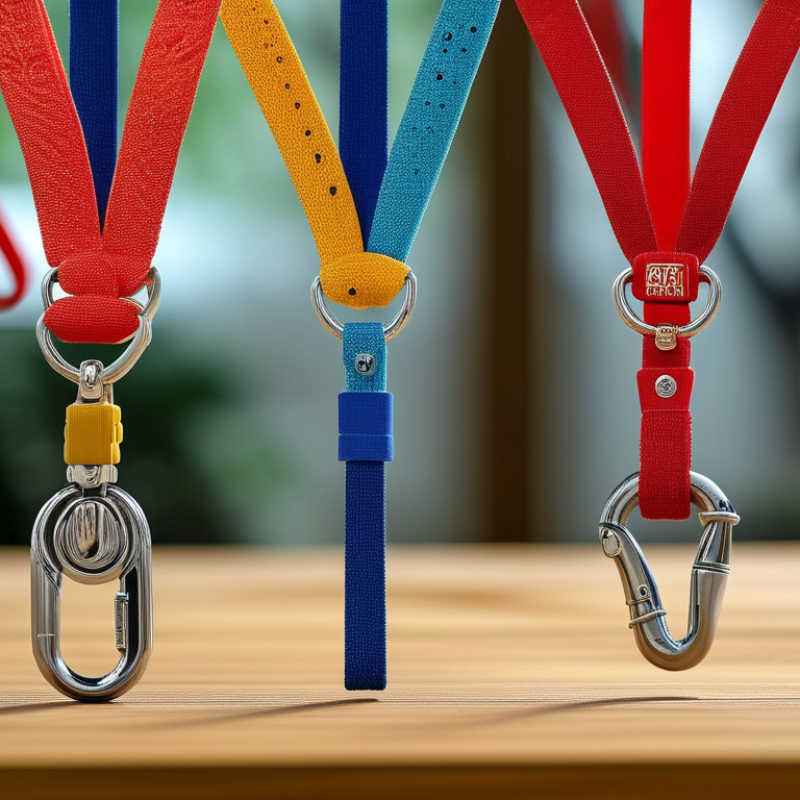
How to Find the Best Lanyards from China

Define Your Lanyard Requirements and Intended Use

Before contacting a Chinese Lanyard Supplier, define exactly how the lanyard will be used. A trade show badge may need a lightweight polyester strap, while outdoor staff may require stronger webbing and weather-resistant printing. Details matter.

Record the required length, width, material, color, attachment, and estimated quantity. Decide whether you need a swivel hook, plastic clip, safety breakaway, or card holder. For children or crowded venues, consider features that reduce snagging risks.

Do not treat a lanyard as fall-protection equipment. That distinction is important. Check applicable workplace and product requirements for your market.

When comparing suppliers, request a technical drawing, material details, print method, packaging plan, and production timeline.

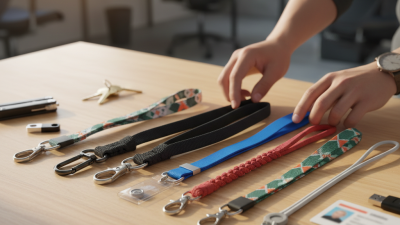
Ask for a physical sample before approving bulk production. Test the clip, stitching, edge comfort, color rubbing, and attachment strength under normal use.

A sample can look excellent but still reveal weak stitching.

A common mistake is choosing the lowest quotation too early.

I have seen specifications become unclear after several revisions, so written confirmation is essential. Keep approved colors, measurements, artwork, and tolerances in one document.

Request a pre-production sample and arrange an independent inspection when the order is important. Small inconsistencies may appear in large batches. Review them honestly before repeating the same design.

Compare Lanyard Materials, Styles, and Customization Options

When sourcing lanyards from China, compare the fiber before comparing the price. Polyester offers vivid printing, stable dimensions, and reliable abrasion resistance. Nylon feels smoother and stronger, but it can reflect light and soften fine graphics. Recycled polyester deserves attention.

Textile Exchange’s 2024 Materials Market Report recorded 124 million tonnes of global fiber production in 2023. It projects production may reach 160 million tonnes by 2030. Ask suppliers for recycled-content evidence, not only environmental claims. A certificate helps. Batch-level records help more.

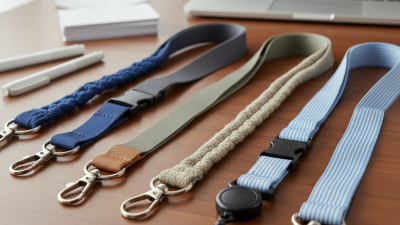
Style affects comfort and visual impact.Flat Woven Lanyards suit detailed text and sharper logos. Tubular designs feel softer around the neck, but small graphics may look less precise. A 15–20 millimeter width usually balances visibility and comfort.

Screen printing works for simple artwork. Dye sublimation supports colorful, edge-to-edge designs. Embroidery adds texture, yet it can distort tiny lettering.

Consider detachable buckles, safety breakaways, badge clips, and mobile-phone loops. The right attachment depends on daily use, not just appearance.

Customization requires physical testing. Request a pre-production sample before approving bulk manufacturing. Check color consistency, edge stitching, metal plating, print adhesion, and attachment strength.

The 2023 Ad Impressions Study reported that 85% of recipients remembered the advertiser on promotional products, but poor quality can weaken that benefit.

One common mistake is trusting a digital mockup. Screen colors can mislead. Ask for rubbing and repeated-use tests. Over-customization also deserves reflection; too many attachments may increase weight and discomfort.

Research and Shortlist Reliable Chinese Manufacturers

Finding the best lanyards from China starts with disciplined supplier research, not attractive catalog photos. China remains a major manufacturing hub, and UNIDO’s International Yearbook of Industrial Statistics 2024 identifies it as the world’s largest manufacturing producer by value. That scale creates choices, but also uneven quality. Use the International Trade Centre’s Trade Map to compare export activity for woven textile accessories and related products. A high export presence is useful evidence, not proof of reliability.

Shortlist manufacturers with verifiable factory addresses, production photos, inspection records, and responsive technical staff. Ask for samples made with your exact width, weave, printing method, buckle, and safety release. Samples reveal more. Test color rubbing, edge fraying, stitching strength, clasp movement, and odor after packaging. Request a documented quality plan based on ISO 9001 principles, even when formal certification is unavailable. The ISO Survey 2023 shows ISO 9001 remains the most widely used quality-management certification worldwide, making it a practical reference for supplier evaluation.

Compare at least three quotations using the same specification sheet. Check minimum order quantities, sampling fees, lead times, packaging details, and replacement terms. Require pre-shipment inspection for the first orders. A factory may pass a sample test and still struggle during mass production. I have found that clear artwork files and written tolerances prevent more disputes than friendly promises. Do not guess. Keep one approved sample sealed for comparison. Even experienced buyers sometimes overlook buckle plating or thread tension; that mistake deserves reflection before signing a long-term agreement.

Verify Supplier Quality, Certifications, and Production Capacity

How to Find the Best Lanyards from China

Reliable sourcing starts with supplier verification, not attractive product photos. In my sourcing experience, I request business registration details, factory images, and recent production records. A professional supplier should explain materials, stitching methods, printing processes, and quality controls clearly. Ask for samples before discussing large orders. Check the strap width, edge finishing, clip strength, and color consistency by hand. Photos can mislead. Physical samples reveal more.

Certifications must match the lanyard’s intended use and destination market. Request current test reports from accredited laboratories, along with certification numbers and issuing dates. Check whether the documents describe the actual material and product design. Production capacity also needs careful review. Ask about monthly output, equipment, worker numbers, and peak-season lead times. A factory may promise fast delivery but lack enough machines or inspection staff. Confirm capacity through production records, sample timelines, and a video inspection when possible.

Tips: Compare at least three suppliers. Contact their references. Keep every specification in writing. I once trusted a supplier’s estimated capacity without checking shipment records, and the delivery schedule slipped. That mistake changed my process. Now I use a small trial order, define inspection points, and allow extra production time. A capable supplier should accept reasonable questions without becoming defensive. There is always some uncertainty. Good verification reduces it.

Request Samples and Evaluate Design, Durability, and Finish

When sourcing lanyards from China, request physical samples before discussing a large order. Photos can hide rough edges, weak stitching, and uneven printing. I usually request three versions with different widths, fabrics, attachments, and finishes. One sample is never enough. Ask for the production specification, including webbing width, material composition, hardware plating, and logo method.

The 2024 Textile Exchange Materials Market Report states that recycled polyester represented 14% of global polyester production in 2023. This figure supports a practical question: is the claimed material actually documented? Request fiber details and, when sustainability matters, supporting certificates. Then compare color accuracy under daylight. Rub the printed area with a damp white cloth. Check whether the design cracks after bending. ISO 105-C06 testing can help assess colorfastness, while tensile testing reveals whether the strap survives repeated pulling. Suppliers may provide reports, but I would verify the laboratory and test date.

Durability also affects advertising value. The 2023 ASI Ad Impressions Study reported an average of 5,053 impressions per promotional item in the United States. A fading logo wastes those impressions. Inspect every seam, especially around the metal hook and safety breakaway. Test the clasp repeatedly. I once accepted a sample with attractive satin gloss, but its coating scratched within days. That mistake changed my process. Ask for a revised sample after corrections, not only a written promise. Finish quality is easy to underestimate. It becomes obvious after daily use.

Compare Pricing, Minimum Orders, Shipping, and Trade Terms

How to Find the Best Lanyards from China

Price is only the starting point. Request itemized quotes for material, printing, attachments, packaging, and inspection. A low unit price may hide expensive setup fees or weak finishing. Compare identical specifications, including width, fabric type, clasp, printing method, and color standard. Ask for a sample before placing a large order. Hold it, bend the attachment, and inspect the stitching. Small defects often appear before mass production.

Minimum order quantities can change the real cost. A factory may accept 500 pieces for one design but require 2,000 pieces for custom colors. Ask whether several designs can share one production run. This may reduce inventory pressure.

Calculate the cost per usable piece, not just the quoted price. I have seen buyers choose the cheapest offer and later pay more for replacements. That mistake is easy to make.

Shipping terms need careful comparison. Request both factory-to-port and delivered estimates, with carton size, gross weight, and production time. Clarify whether the quote uses EXW, FOB, CIF, or another agreed term. Each option shifts responsibilities and costs differently. Confirm who handles export documents, freight booking, insurance, and destination charges. Delays happen. Leave extra time for sampling, revisions, holidays, and customs processing. Get every promise in writing, then compare the complete landed cost beside payment terms and inspection conditions.

Custom Woven Silk-Screen Lanyards: Choosing Polyester Neck Straps with Your Logo

Custom Woven Silk-Screen Lanyards offer a practical way to display a logo while maintaining a clean, professional appearance. Polyester is a particularly suitable choice for neck straps because it is lightweight, flexible, and resistant to everyday abrasion. According to Textile Exchange’s 2024 Materials Market Report, polyester represented approximately 57% of global fiber production in 2023, highlighting its broad use and established supply chain in textile manufacturing.

For this design, the selected polyester belt is first cut to 90 × 2.5 cm. A white logo is then applied by silk-screen printing, creating a distinct, slightly raised visual effect with clear texture and strong contrast. After printing, the strap is folded to a finished length of approximately 44 cm. This format provides a comfortable fit for daily events, exhibitions, workplace identification, and promotional distribution while leaving enough surface area for readable logo placement.

A silver snap hook clasp is inserted at the belt connection and can rotate 360 degrees, helping reduce twisting and tangling during use. The two ends of the polyester strap are finally aligned and securely sewn together. The global textile market was valued at about USD 1.03 trillion in 2022 and is projected to grow through 2030, according to Grand View Research, reflecting continued demand for durable, customizable textile accessories such as logo neck straps.

FAQS

: How should I shortlist reliable Chinese lanyard manufacturers?

: Check factory addresses, production photos, inspection records, and technical responses. Request samples made to your exact specifications. Export activity helps, but it does not prove reliability.

What information should I request from a supplier?

Ask for business registration details, material information, equipment lists, and recent production records. Request monthly capacity and peak-season lead times. Written evidence matters more than confident promises.

How many suppliers should I compare?

Compare at least three suppliers using one specification sheet. Review prices, minimum orders, sampling fees, packaging, lead times, and replacement terms. Small differences can become expensive later.

What should I inspect in physical samples?

Check strap width, edge finishing, color consistency, stitching, clasp movement, and coating quality. Rub printed areas with a damp white cloth. Bend the strap repeatedly. Look for cracking or fading.

How can I verify material and sustainability claims?

Request fiber details and supporting certificates for claimed materials. Check whether documents match the actual product design. Recycled content should be documented. Do not rely only on labels.

How can I evaluate lanyard durability?

Inspect seams near the metal hook and safety release. Test the clasp repeatedly. Consider colorfastness and tensile testing from an accredited laboratory. Reports still need checking.

How can I confirm production capacity?

Ask about machines, worker numbers, monthly output, and inspection staff. Compare promised timelines with sample and shipment records. Use a video inspection when possible. Capacity claims can be optimistic.

What quality controls should I use before mass production?

Approve one exact sample and keep it sealed for comparison. Define artwork, tolerances, inspection points, and packaging in writing. Require pre-shipment inspection for early orders. I once trusted capacity estimates too quickly. The schedule slipped.

Conclusion

Finding the best Lanyards from China begins with clearly defining your requirements, including the intended use, target users, preferred length, attachment style, branding needs, and expected order volume. Compare available materials such as polyester, nylon, and recycled fabrics, along with different widths, printing methods, colors, clips, and safety features. These choices should match your desired appearance, comfort, durability, and budget.

Next, research and shortlist reliable Chinese manufacturers by reviewing their experience, communication, production capabilities, certifications, and quality-control procedures. Request samples before placing a large order so you can evaluate the design accuracy, stitching, printing quality, hardware, strength, and overall finish. Finally, compare complete costs rather than unit prices alone, including minimum order quantities, sample charges, packaging, shipping, payment conditions, and trade terms. A careful comparison of these factors can help you select a dependable supplier and receive Lanyards that meet both practical and branding expectations.
Miles

Miles

Miles is a dedicated marketing professional at Shenzhen Yiyixing Zipper Manufacturing Co., Ltd., where he combines his extensive knowledge of zipper products with his passion for engaging communication. With a strong background in the manufacturing sector, Miles excels in showcasing the company’s......
Previous How to Choose the Best Pet Leash for Your Dog?