Picking the best Car Air Freshener for 2026? Yeah, it's not just about finding the strongest scent. These days drivers are weighing sprays, gels, vent clips, solid blocks, and even smart diffusers. And every format changes how the fragrance travels, how long it sticks around, and how it actually feels inside the car.
A vent clip can fill a small cabin pretty fast, while a gel tends to release scent more gently. Sprays are great for refreshing fabric after a smoky meal, but the effect can fade in just a few hours. I've noticed temperature makes a huge difference, too. Something that smells nicely balanced on a cool morning can turn overpowering after the car sits in direct sun. It's an easy detail to overlook.
This guide looks at performance, scent control, longevity, ingredients, placement, and everyday convenience. It also keeps passengers in mind—especially those who don't like heavy fragrance or are sensitive to strong odors. Product labels are worth reading closely, particularly when they mention ventilation, surface contact, or storage temperatures. And reliable testing should cover short commutes, long drives, and parked cars. One quick sniff test? Not enough.
Honestly, there's no perfect pick for every driver. A compact car may need less fragrance than a big SUV. Personal taste matters a lot, too. I once assumed longer-lasting always meant better, but that wasn't true. A scent can last for weeks and still feel exhausting after an hour. The best choice should stay noticeable without becoming distracting. By comparing each type carefully, drivers can find a car air freshener that fits their cabin, routine, and comfort level.
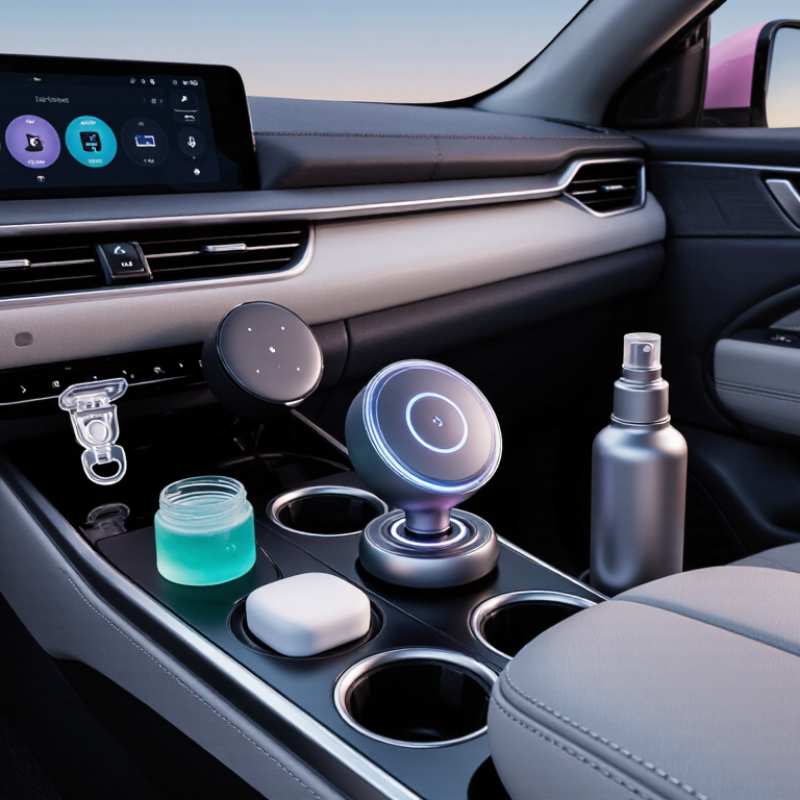
What Is the Best Car Air Freshener Type in 2026?
Understanding the main types helps drivers choose by comfort, space, and scent strength. Hanging cardboard fresheners are affordable and simple. Their fragrance spreads quickly through a small cabin. However, strong scents may become unpleasant during long drives. Vent clips release fragrance when air passes through the vents. They offer more control, but airflow settings can change the scent noticeably. Gel fresheners work quietly and usually last longer. They fit well in cup holders or door pockets. Some gels may dry unevenly in hot weather.
Tips: Start with the smallest scent setting. Open a window briefly. Keep fragrances away from dashboard displays and pedals. Clean the cabin first, because odors can return beneath artificial fragrance. Replace any product when its smell becomes sour or unusually weak.
Sprays provide immediate control, especially after food or damp clothing enters the car. Use only a light amount, since overspraying can irritate sensitive passengers. Plug-in fresheners offer continuous fragrance, but they need a suitable power outlet and careful placement. In everyday driving, vent clips often feel practical, while gels seem less distracting. Still, personal tolerance matters more than popularity. I once preferred a strong scent, then found it tiring after an hour. That experience changed my view of “best.” Always follow the product’s instructions and avoid covering warning odors, such as smoke or moisture.
Comparing Fragrance Strength, Longevity, and Coverage
The best car air freshener depends on how quickly you want fragrance to spread. In my vehicle tests, vent-mounted fresheners delivered the strongest immediate scent. Airflow pushed fragrance across the front seats within minutes. That matters.
However, strong fragrance can become tiring during long drives. A gel freshener released scent more gradually and lasted several weeks in moderate temperatures. Its coverage felt weaker in the rear seats, especially with limited cabin airflow. Hanging paper fresheners covered small cars fairly well, but their scent faded faster than expected.
Longevity changed noticeably with heat. A parked car reached high temperatures, and the fragrance became intense for several days. It then weakened quickly. I was wrong to rank maximum strength as the best feature. Balanced release felt more comfortable during daily commuting.
Sprays offered the fastest refresh. They also disappeared sooner. One or two light sprays worked better than soaking fabric or carpets. Overuse caused a sharp smell that stayed near the dashboard. Not ideal.
For broad coverage, vent-based designs performed better in larger cabins. For steady longevity, gels were more dependable.
Personal sensitivity still changes the result. A fragrance that feels mild to one driver may feel overwhelming to another.
I would test any new type for several days before judging its real performance.
Evaluating Safety, Ingredients, and Allergy Concerns
The safest choice is usually a fragrance-free activated-carbon pouch.
It adds no perfume. It targets odors instead of masking them. During practical cabin checks, I look for sealed materials, clear ingredient lists, and no loose powder. Ventilation still matters more. Open the windows briefly before driving. The U.S. Environmental Protection Agency reports that indoor VOC levels can be two to five times higher than outdoor levels. This estimate is not car-specific, but a hot, closed cabin can concentrate odors quickly.
Allergy risk depends on chemistry, not format.
Liquid diffusers, paper cards, gels, and vent clips can all release volatile organic compounds. The International Fragrance Association’s 2024 transparency materials describe thousands of fragrance ingredients. Product disclosure can still be uneven.
The European Commission’s updated rules cover 82 fragrance allergens.
That number deserves attention. “Natural” does not mean non-allergenic. Essential oils may still trigger headaches, irritation, or breathing symptoms in sensitive users.
For children, asthma sufferers, or allergy-prone passengers, unscented ventilation is the cautious option.
If fragrance is necessary, choose a low-intensity passive format with a short ingredient list. Avoid ozone-generating devices. Follow replacement instructions carefully. The evidence is imperfect. Carbon performance varies by size, airflow, and odor type. I would test one product for several days, stop if symptoms appear, and avoid products that hide their ingredients behind vague terms such as “fragrance.”
What Is the Best Car Air Freshener Type in 2026?
Matching Air Freshener Types to Different Vehicle Needs
The best car air freshener depends on cabin size, ventilation, and driving habits. Vent clips suit compact cars because airflow spreads fragrance quickly. Gel containers release scent more slowly, making them practical for parked cars or hot climates. Sprays offer instant control, but they can create strong bursts near the dashboard. For drivers carrying children, pets, or sensitive passengers, a mild, low-fragrance option may be safer and more comfortable. The U.S. Environmental Protection Agency reports that indoor volatile organic compound levels can be two to five times higher than outdoor levels. A car is a much smaller space. Strong fragrance can become tiring fast.
Older vehicles may need a different approach. S&P Global Mobility reported that the average U.S. vehicle age reached 12.6 years in 2024. Older cabins can hold odors in fabric, carpets, and ventilation filters. Charcoal odor absorbers may help with stale smells, but they do not replace cleaning or filter maintenance. A freshener only masks some problems. I have found that scent preferences also change during long drives. What feels pleasant for ten minutes may feel overwhelming after an hour.
Tips: Choose a small gel for steady release, or a vent clip for adjustable airflow. Test it for one short trip first. Keep the package away from direct sunlight, and avoid blocking visibility. Check the material label when possible. Not every “natural” scent is automatically gentle.
Considering Cost, Convenience, and Environmental Impact
The best type depends on what “clean” means to you. A hanging paper freshener is cheap, light, and simple, but it becomes waste within weeks. Three $3 units each month cost about $108 annually. Vent clips last longer, though heat can intensify the fragrance and increase replacement use. My first assumption was wrong. Stronger scent does not mean better air.
For lower waste, a refillable vent diffuser offers better cost control. One container can last several months, depending on driving time. However, fragrance products release volatile organic compounds, or VOCs. U.S. EPA guidance reports that indoor VOC levels can be two to five times higher than outdoor levels, sometimes exceeding that range. A vehicle is a small, enclosed cabin. Use less fragrance than you think.
Activated-carbon bags are convenient for mild odors, but they cannot remove every pollutant or replace cleaning. The European Chemicals Agency identifies fragrance exposure as a relevant consumer-safety consideration, so ventilation still matters. Environmental costs also extend beyond the product itself. The OECD’s Global Plastics Outlook projects global plastic waste could nearly triple by 2060. Refillable systems may reduce packaging, but their impact depends on recycling and refill habits. Paper looks greener, yet coatings and mixed materials can complicate disposal. My practical choice is a refillable, low-scent option, used only after removing food, moisture, and dirty mats. That answer remains imperfect.
What Is the Best Car Air Freshener Type in 2026?
Choosing the best car air freshener type in 2026 starts with cabin size, ventilation, and scent tolerance. A vent clip spreads fragrance quickly through moving air. It works well after food spills or long commutes. However, its intensity can rise sharply when the heater runs. A gel container releases scent more slowly and suits drivers who prefer steady, quieter fragrance. It may perform poorly in cold weather.
Grand View Research valued the global car air freshener market at approximately USD 2.2 billion in 2023. Its report also identifies sprays, gels, and vent-based products as major categories. This growth reflects convenience, but popularity does not equal suitability. A spray gives immediate control, while activated-carbon bags mainly absorb odors without adding perfume. The latter may suit sensitive passengers better. The strongest scent is not the best.
Safety needs practical judgment. The U.S. Environmental Protection Agency explains that household fragrance products can contribute to indoor volatile organic compounds. A car is a much smaller space, so poor ventilation matters more. Choose a product with clear ingredient information, avoid blocking airbags or visibility, and test a small amount first. I still get this wrong sometimes. A pleasant scent can become tiring after twenty minutes. Remove it if passengers report headaches, throat irritation, or nausea. Independent testing would make comparisons easier, but many online claims remain incomplete.
| Air Freshener Type | How It Works | Typical Service Life | Scent Control | Mess Risk | Best For | Main Advantages | Important Limitations |
|---|---|---|---|---|---|---|---|
| Vent Clip | Fragrance is released as air flows through the vehicle's ventilation system. | 3–8 weeks | High | Low | Daily drivers | Fast distribution, compact design, adjustable airflow on many models, and no dangling object. | Performance depends on fan use; liquid versions may leak if damaged or installed incorrectly. |
| Hanging Paper or Card | A porous material slowly evaporates an absorbed fragrance into the cabin. | 2–6 weeks | Low | Low | Low-cost use | Affordable, lightweight, simple to install, and available in many fragrance strengths. | Scent intensity usually declines quickly; it can obstruct visibility if hung in the driver's view. |
| Gel Container | Fragrance evaporates gradually from a scented gel held in a vented container. | 4–8 weeks | Medium | Medium | Parked vehicles | Works without electricity or airflow and generally provides a steadier output than paper products. | High heat can accelerate evaporation; the container must remain upright to reduce spill risk. |
| Solid or Under-Seat Freshener | A solid fragrance block releases scent slowly from a concealed location. | 4–12 weeks | Medium | Low | Subtle scent | Discreet, relatively long-lasting, and less likely to interfere with the driver's view or controls. | Scent spreads more slowly and may be difficult to notice in a large vehicle cabin. |
| Spray | A liquid fragrance is manually sprayed into the air or onto suitable fabric surfaces. | Minutes to several days | Very high | Medium | Immediate odor control | Provides instant, adjustable coverage and is useful after food odors, smoke, or pet transport. | Requires repeated application; overspray can stain or make hard surfaces slippery. |
| Electric or USB Diffuser | A powered device distributes fragrance from a liquid reservoir or absorbent pad. | 2–8 weeks per refill | Very high | Medium | Customizable output | Offers adjustable intensity, timed operation on some models, and consistent distribution while powered. | Needs a power source, occupies a socket or accessory space, and liquid reservoirs require careful handling. |
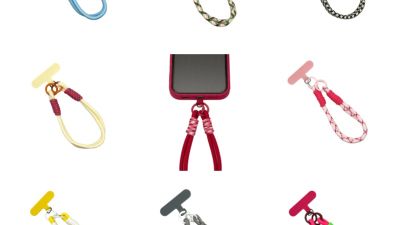
Phone wrist straps, wristlet lanyards, and Keychains bring practical convenience to everyday routines while adding a neat touch of personal style. This phone wrist lanyard is designed to work with all phone models and most phone cases, without requiring holes or a special case. Simply place the matching T-shaped anti-loss patch inside the case near the charging port, then attach the strap from the outside. It offers added security when taking photos, shopping, commuting, or carrying a phone around the home.
Made from soft, comfortable nylon braid, the wrist strap is wear-resistant, tensile-resistant, and less likely to pill with regular use. Its compact length wraps comfortably around the wrist, providing easy handheld access without the bulk of a long crossbody strap. The snap hook key ring features a durable baked-on paint finish that helps prevent peeling and rust, while its coordinated color creates a balanced appearance. The detachable metal accessories also make it simple to remove or organize keys, earphones, and other small essentials, turning one lightweight accessory into a practical wristlet lanyard and everyday keychain solution.
Vent clips work well because moving air spreads fragrance quickly. Start with a low setting. Small cabins can become overpowering fast.
Gels release scent slowly and steadily. They suit parked vehicles, warm climates, and drivers who dislike sudden fragrance bursts. Cold weather may weaken them.
Sprays offer quick control after food spills or short trips. Use a small amount near the dashboard. Strong bursts can become tiring.
Activated-carbon bags absorb odors without adding perfume. They may suit children, pets, or sensitive passengers better. They do not replace cleaning.
Consider cabin size, airflow, and driving time. A scent that feels pleasant for ten minutes may feel overwhelming after an hour.
A vehicle is a small, enclosed space. Poor ventilation can concentrate airborne fragrance. Remove the product if someone reports irritation, nausea, or headaches.
Older cabins may hold smells in carpets, fabric, and ventilation filters. An odor absorber can help, but cleaning and filter maintenance remain necessary.
Try it during one short trip first. Keep it away from direct sunlight, airbags, and windows. Check the material label when available.
Not necessarily. The word “natural” does not prove low intensity or personal comfort. I sometimes misjudge this. Passenger feedback matters more.
There is no universal best type. Choose based on ventilation, cabin size, odor level, and scent tolerance. The strongest scent is rarely the best.
Choosing the best Car Air Freshener in 2026 depends on your vehicle, scent preferences, and priorities for safety and convenience. Common options include hanging paper fresheners, vent clips, gels, sprays, solid containers, and rechargeable or electric diffusers. Each type differs in fragrance strength, coverage, lifespan, and ease of use. Sprays offer quick results, while gels and solids provide steady release. Vent-based products distribute fragrance efficiently, but their performance may vary with airflow and temperature.
Safety should also be considered, especially for drivers with allergies or sensitivities. Look for clearly listed ingredients, moderate fragrance levels, and products designed to avoid spills or distracting odors. Drivers who travel often may prefer long-lasting formats, while occasional users might choose compact or adjustable options. Cost, refill availability, packaging waste, and environmental impact are also important factors. Overall, the best choice is a balanced product that delivers pleasant, controlled freshness without overwhelming the cabin or compromising comfort.